
The Ultimate Guide to Choosing the Perfect Smoothie Blender for Your Kitchen
release time:
2024-01-11
Table of Contents:
1. Introduction
2. Power and Performance
3. Capacity and Size
4. Blade Quality and Material
5. Speed Settings and Control
6. Additional Features
7. Cleaning and Maintenance
8. Price Range and Budget
9. FAQs: Your Questions Answered
10. Conclusion
1. Introduction
Welcome to the ultimate guide on how to choose the perfect smoothie blender for your kitchen. Whether you're a health enthusiast or simply enjoy a refreshing smoothie, finding the right blender can make all the difference in your blending experience.
2. Power and Performance
When it comes to blending smoothies, power matters. Look for blenders with a motor power of at least 500 watts for optimal performance. Higher-powered blenders can effortlessly crush ice, frozen fruits, and tough ingredients, ensuring a smooth and creamy consistency.
3. Capacity and Size
Consider the size of your family or the number of servings you plan to make. Blenders come in various sizes, ranging from personal-sized to large-capacity pitchers. If you're making smoothies for one or two people, a personal blender with a 16-ounce to 24-ounce capacity might be ideal. For larger groups, opt for a blender with a pitcher capacity of 32 ounces or more.
4. Blade Quality and Material
Blade quality is crucial for achieving smooth and lump-free smoothies. Stainless steel blades are known for their durability, sharpness, and resistance to rust. Look for blenders with sturdy blades that can crush ice and blend ingredients evenly.
5. Speed Settings and Control
Having control over the blending process is essential for achieving the desired consistency. Choose a blender with multiple speed settings, including a pulse function. This allows you to adjust the blending speed based on the ingredients and texture you desire.
6. Additional Features
Some blenders offer additional features that can enhance your blending experience. These may include pre-programmed settings for specific recipes, such as smoothies, soups, or frozen desserts. Others may have built-in timers or automatic shut-off functions for added convenience.
7. Cleaning and Maintenance
Easy cleaning and maintenance can save you time and effort in the long run. Look for blenders with dishwasher-safe parts or removable blades for easy cleaning. Some blenders also come with a self-cleaning function, making the cleanup process a breeze.
8. Price Range and Budget
Smoothie blenders come in a wide price range, so it's essential to set a budget. Higher-priced blenders often have more powerful motors, advanced features, and longer warranties. However, there are also budget-friendly options that can still deliver excellent blending results.
9. FAQs: Your Questions Answered
Q: Can I blend hot ingredients in a smoothie blender?
Q: How do I know if a blender is suitable for crushing ice?
Q: Is a glass or plastic pitcher better for blending smoothies?
Q: Can I use a smoothie blender for other purposes?
Q: What is the average lifespan of a smoothie blender?
10. Conclusion
Choosing the perfect smoothie blender for your kitchen is an investment in your health and culinary adventures. By considering factors such as power, capacity, blade quality, additional features, and cleaning ease, you can find a blender that meets your needs and preferences. Remember to set a budget and explore the wide range of options available to make an informed decision. Now, get ready to blend your way to delicious and nutritious smoothies!
1. Introduction
2. Power and Performance
3. Capacity and Size
4. Blade Quality and Material
5. Speed Settings and Control
6. Additional Features
7. Cleaning and Maintenance
8. Price Range and Budget
9. FAQs: Your Questions Answered
10. Conclusion
1. Introduction
Welcome to the ultimate guide on how to choose the perfect smoothie blender for your kitchen. Whether you're a health enthusiast or simply enjoy a refreshing smoothie, finding the right blender can make all the difference in your blending experience.
2. Power and Performance
When it comes to blending smoothies, power matters. Look for blenders with a motor power of at least 500 watts for optimal performance. Higher-powered blenders can effortlessly crush ice, frozen fruits, and tough ingredients, ensuring a smooth and creamy consistency.
3. Capacity and Size
Consider the size of your family or the number of servings you plan to make. Blenders come in various sizes, ranging from personal-sized to large-capacity pitchers. If you're making smoothies for one or two people, a personal blender with a 16-ounce to 24-ounce capacity might be ideal. For larger groups, opt for a blender with a pitcher capacity of 32 ounces or more.
4. Blade Quality and Material
Blade quality is crucial for achieving smooth and lump-free smoothies. Stainless steel blades are known for their durability, sharpness, and resistance to rust. Look for blenders with sturdy blades that can crush ice and blend ingredients evenly.
5. Speed Settings and Control
Having control over the blending process is essential for achieving the desired consistency. Choose a blender with multiple speed settings, including a pulse function. This allows you to adjust the blending speed based on the ingredients and texture you desire.
6. Additional Features
Some blenders offer additional features that can enhance your blending experience. These may include pre-programmed settings for specific recipes, such as smoothies, soups, or frozen desserts. Others may have built-in timers or automatic shut-off functions for added convenience.
7. Cleaning and Maintenance
Easy cleaning and maintenance can save you time and effort in the long run. Look for blenders with dishwasher-safe parts or removable blades for easy cleaning. Some blenders also come with a self-cleaning function, making the cleanup process a breeze.
8. Price Range and Budget
Smoothie blenders come in a wide price range, so it's essential to set a budget. Higher-priced blenders often have more powerful motors, advanced features, and longer warranties. However, there are also budget-friendly options that can still deliver excellent blending results.
9. FAQs: Your Questions Answered
Q: Can I blend hot ingredients in a smoothie blender?
Q: How do I know if a blender is suitable for crushing ice?
Q: Is a glass or plastic pitcher better for blending smoothies?
Q: Can I use a smoothie blender for other purposes?
Q: What is the average lifespan of a smoothie blender?
10. Conclusion
Choosing the perfect smoothie blender for your kitchen is an investment in your health and culinary adventures. By considering factors such as power, capacity, blade quality, additional features, and cleaning ease, you can find a blender that meets your needs and preferences. Remember to set a budget and explore the wide range of options available to make an informed decision. Now, get ready to blend your way to delicious and nutritious smoothies!
More information



What we are making?
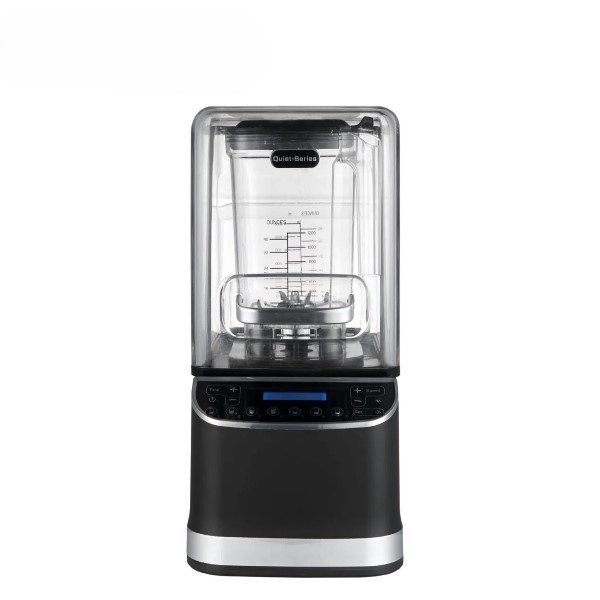
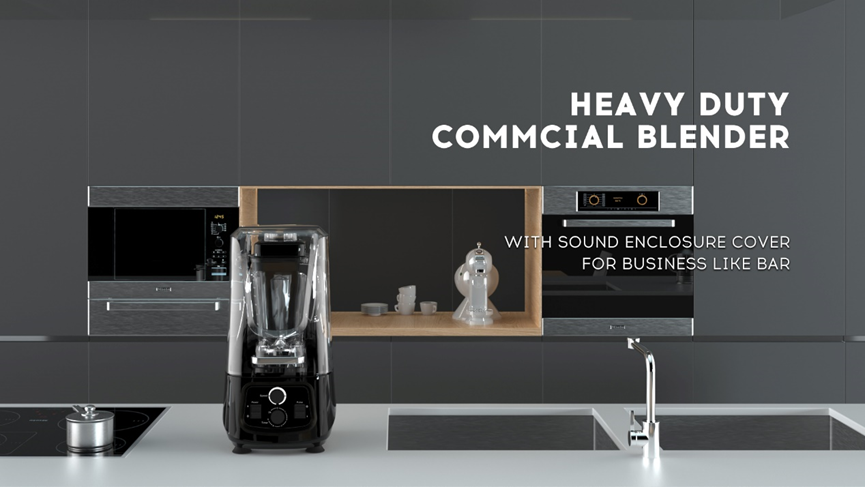
We take times to design, manufacture and launch our products into market carefully, ensure each model is fine crafted, withstand market testing. Our series of commercial blenders, although in compact design to save serving space of bar counter, are built in pure copper motor, power strong up to 3.5HP, combine with wide blades, they are capable of mixing very heavy ingredients including root vegetables and ices into smooth status, and achieve precise creations as you want.
Tel:
E-mail:
Add:
FL 8, BUILDING 20, PHASE 2nd, TONGDE INDUSTRIAL ZONE, RONGGUI, SHUNDE, FOSHAN,GD
Copyright © 2023 Foshan Shanice Electrical Appliances Co.,Ltd. All rights reserved. 粤ICP备********号
Powered by www.300.cn SEO
Business license