

The Ultimate Guide to Choosing a Quiet Commercial Blender
release time:
2024-03-17
When it comes to selecting a quiet commercial blender for your blending machine requirements, there are several key factors to consider.
First and foremost, noise level is a crucial factor to take into account. A quiet commercial blender is essential for maintaining a peaceful working environment, especially in a manufacturing setting where noise levels can impact productivity. Look for blenders with noise reduction technology to ensure a quieter operation.
Secondly, consider the power and capacity of the blender. Depending on your manufacturing needs, you may require a blender with higher power and capacity to handle larger volumes of blending. Make sure to choose a blender that can efficiently mix your materials without compromising on performance.
Another important consideration is the material and design of the blender. Opt for a blender that is made of high-quality materials such as stainless steel, which are durable and easy to clean. Additionally, choose a blender with a user-friendly design that makes it easy to operate and maintain.
In terms of safety features, look for blenders with built-in safety mechanisms such as overload protection and emergency stop buttons to prevent accidents and ensure the safety of your employees.
Lastly, consider the versatility of the blender. Choose a blender that offers a variety of blending options and settings to accommodate different materials and recipes. This will allow you to maximize the use of your blender and achieve optimal results.
By considering these key factors and conducting thorough research, you can select the perfect quiet commercial blender for your manufacturing and processing machinery needs. Remember to prioritize noise level, power and capacity, material and design, safety features, and versatility when making your decision.
First and foremost, noise level is a crucial factor to take into account. A quiet commercial blender is essential for maintaining a peaceful working environment, especially in a manufacturing setting where noise levels can impact productivity. Look for blenders with noise reduction technology to ensure a quieter operation.
Secondly, consider the power and capacity of the blender. Depending on your manufacturing needs, you may require a blender with higher power and capacity to handle larger volumes of blending. Make sure to choose a blender that can efficiently mix your materials without compromising on performance.
Another important consideration is the material and design of the blender. Opt for a blender that is made of high-quality materials such as stainless steel, which are durable and easy to clean. Additionally, choose a blender with a user-friendly design that makes it easy to operate and maintain.
In terms of safety features, look for blenders with built-in safety mechanisms such as overload protection and emergency stop buttons to prevent accidents and ensure the safety of your employees.
Lastly, consider the versatility of the blender. Choose a blender that offers a variety of blending options and settings to accommodate different materials and recipes. This will allow you to maximize the use of your blender and achieve optimal results.
By considering these key factors and conducting thorough research, you can select the perfect quiet commercial blender for your manufacturing and processing machinery needs. Remember to prioritize noise level, power and capacity, material and design, safety features, and versatility when making your decision.
More information



What we are making?
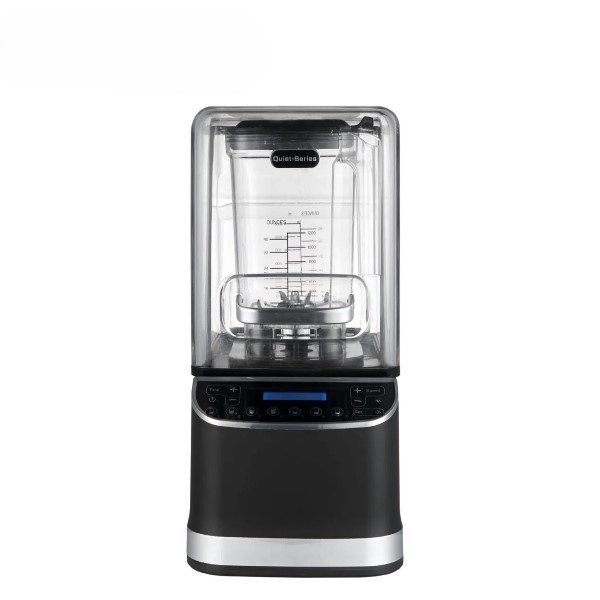
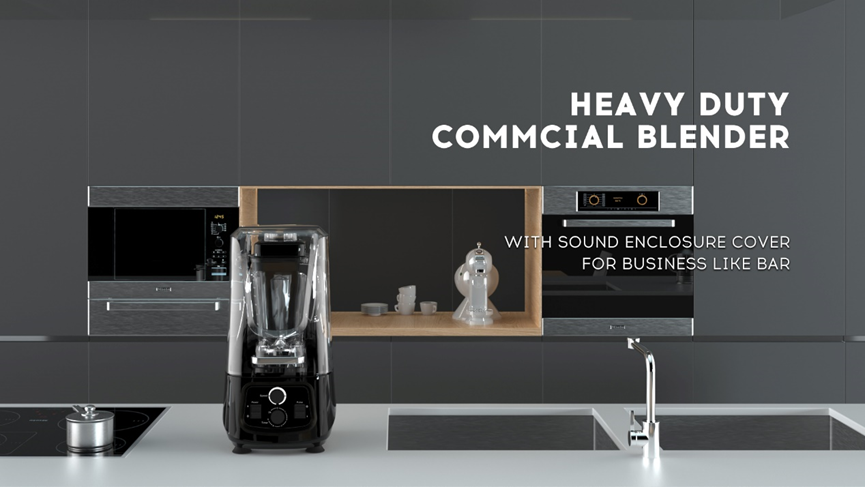
We take times to design, manufacture and launch our products into market carefully, ensure each model is fine crafted, withstand market testing. Our series of commercial blenders, although in compact design to save serving space of bar counter, are built in pure copper motor, power strong up to 3.5HP, combine with wide blades, they are capable of mixing very heavy ingredients including root vegetables and ices into smooth status, and achieve precise creations as you want.
Tel:
E-mail:
Add:
FL 8, BUILDING 20, PHASE 2nd, TONGDE INDUSTRIAL ZONE, RONGGUI, SHUNDE, FOSHAN,GD
Copyright © 2023 Foshan Shanice Electrical Appliances Co.,Ltd. All rights reserved. 粤ICP备********号
Powered by www.300.cn SEO
Business license