

Unlocking the Power of High-Speed Vacuum Blenders: A Comprehensive Guide
release time:
2024-11-19
High-speed vacuum blenders represent a significant advancement in the realm of blending technology, especially within the manufacturing and processing machinery industry. These specialized machines are not just about blending ingredients; they offer unique features that enhance the quality and nutritional value of food products.
At the core of a high-speed vacuum blender is its ability to blend ingredients at a remarkably high speed, often exceeding 30,000 RPM. This high-speed operation allows for the creation of ultra-smooth textures that are often sought after in modern culinary practices. For manufacturers, achieving a consistent and fine blend is essential, and these machines excel in meeting that demand.
One of the standout features of high-speed vacuum blenders is their vacuum function. By removing air from the blending chamber, these machines prevent oxidation during the blending process. Oxidation is a common concern in food processing, as it can lead to loss of flavor, color, and nutritional value. In a high-speed vacuum blending environment, ingredients can be combined without the adverse effects of exposure to air, resulting in fresher, more vibrant products that retain their natural nutrients.
Moreover, high-speed vacuum blenders are designed for efficient operation. Many models come equipped with advanced controls that allow users to customize speed settings and blending times, ensuring that each product is processed exactly to specifications. This level of control is particularly valuable in a manufacturing context, where precision and consistency are crucial for quality assurance.
These blenders also provide versatility in their applications. Beyond smoothies and purees, high-speed vacuum blenders can be used for a variety of tasks, including emulsifying sauces, grinding nuts, and even preparing soups. This multifunctionality can streamline production processes, reducing the need for multiple machines and saving valuable floor space in manufacturing facilities.
When considering a high-speed vacuum blender, it's important to evaluate the machine's construction and design. Durable materials and high-quality components can significantly impact the longevity and performance of the blender. Additionally, easy cleaning features are a must, as sanitation is paramount in food processing environments.
In summary, high-speed vacuum blenders are a revolutionary tool in the manufacturing processing machinery sector, offering unique benefits that enhance blending quality and efficiency. By preventing oxidation, providing customizability, and ensuring high-speed performance, these machines play a critical role in producing superior food products. As the industry continues to evolve, investing in cutting-edge technology like high-speed vacuum blenders may very well be a key strategy for staying competitive in a demanding market.
At the core of a high-speed vacuum blender is its ability to blend ingredients at a remarkably high speed, often exceeding 30,000 RPM. This high-speed operation allows for the creation of ultra-smooth textures that are often sought after in modern culinary practices. For manufacturers, achieving a consistent and fine blend is essential, and these machines excel in meeting that demand.
One of the standout features of high-speed vacuum blenders is their vacuum function. By removing air from the blending chamber, these machines prevent oxidation during the blending process. Oxidation is a common concern in food processing, as it can lead to loss of flavor, color, and nutritional value. In a high-speed vacuum blending environment, ingredients can be combined without the adverse effects of exposure to air, resulting in fresher, more vibrant products that retain their natural nutrients.
Moreover, high-speed vacuum blenders are designed for efficient operation. Many models come equipped with advanced controls that allow users to customize speed settings and blending times, ensuring that each product is processed exactly to specifications. This level of control is particularly valuable in a manufacturing context, where precision and consistency are crucial for quality assurance.
These blenders also provide versatility in their applications. Beyond smoothies and purees, high-speed vacuum blenders can be used for a variety of tasks, including emulsifying sauces, grinding nuts, and even preparing soups. This multifunctionality can streamline production processes, reducing the need for multiple machines and saving valuable floor space in manufacturing facilities.
When considering a high-speed vacuum blender, it's important to evaluate the machine's construction and design. Durable materials and high-quality components can significantly impact the longevity and performance of the blender. Additionally, easy cleaning features are a must, as sanitation is paramount in food processing environments.
In summary, high-speed vacuum blenders are a revolutionary tool in the manufacturing processing machinery sector, offering unique benefits that enhance blending quality and efficiency. By preventing oxidation, providing customizability, and ensuring high-speed performance, these machines play a critical role in producing superior food products. As the industry continues to evolve, investing in cutting-edge technology like high-speed vacuum blenders may very well be a key strategy for staying competitive in a demanding market.
More information



What we are making?
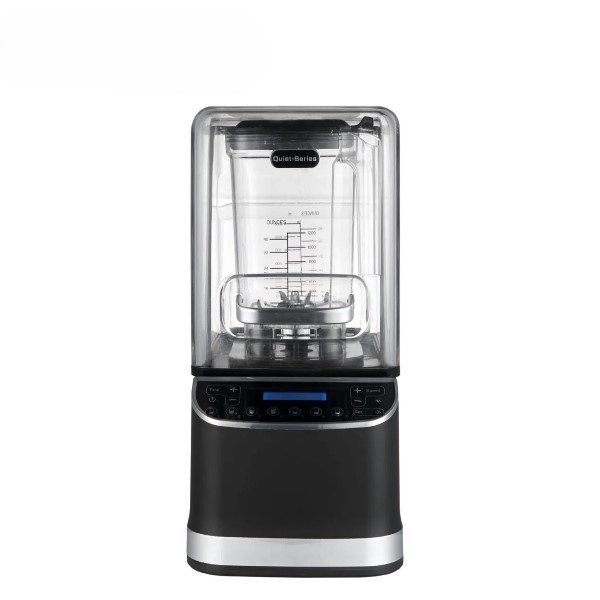
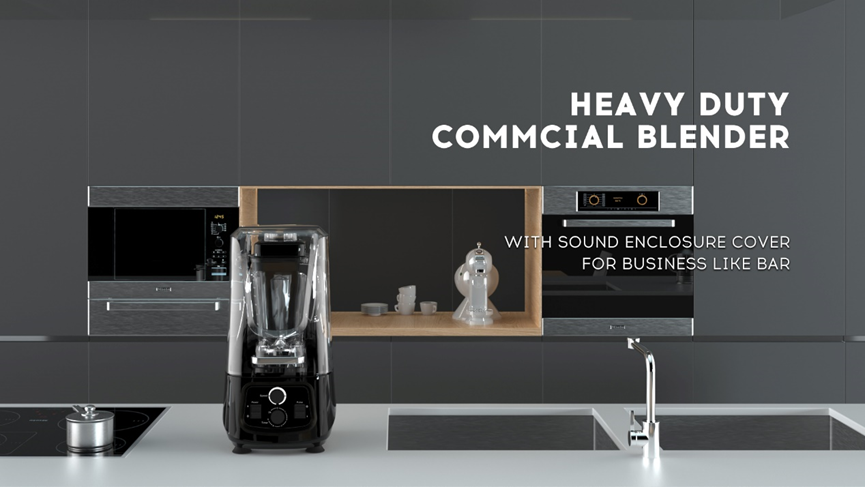
We take times to design, manufacture and launch our products into market carefully, ensure each model is fine crafted, withstand market testing. Our series of commercial blenders, although in compact design to save serving space of bar counter, are built in pure copper motor, power strong up to 3.5HP, combine with wide blades, they are capable of mixing very heavy ingredients including root vegetables and ices into smooth status, and achieve precise creations as you want.
Tel:
E-mail:
Add:
FL 8, BUILDING 20, PHASE 2nd, TONGDE INDUSTRIAL ZONE, RONGGUI, SHUNDE, FOSHAN,GD
Copyright © 2023 Foshan Shanice Electrical Appliances Co.,Ltd. All rights reserved. 粤ICP备********号
Powered by www.300.cn SEO
Business license