
Expert Tips for Maximizing the Performance of Your Heavy Duty Bar Blender
release time:
2024-12-13
Expert Tips for Maximizing the Performance of Your Heavy Duty Bar Blender
Table of Contents
- Understanding Heavy Duty Bar Blenders
- Key Components of a High-Performance Blender
- Routine Maintenance for Maximum Efficiency
- Optimal Blending Techniques
- Troubleshooting Common Blending Issues
- The Benefits of Using a Heavy Duty Bar Blender
- Choosing the Right Blender for Your Needs
- Frequently Asked Questions
Understanding Heavy Duty Bar Blenders
A **heavy-duty bar blender** is an essential tool for any establishment that requires quick and efficient blending capabilities, whether for smoothies, cocktails, or sauces. Unlike standard blenders, these machines are designed to handle tougher ingredients and larger quantities, making them a favorite in both commercial and home kitchens.
Understanding how your heavy-duty bar blender works is crucial for optimizing its performance. Most models come equipped with powerful motors and robust blades that can blend, crush, and emulsify ingredients with ease. Knowing the specifications and capabilities of your blender helps you make the most out of its features.
Key Components of a High-Performance Blender
To maximize the performance of your heavy-duty bar blender, it is essential to familiarize yourself with its key components:
1. **Motor Power**
The motor is the heart of the blender. A higher wattage typically indicates a more powerful motor, which can handle tougher tasks more efficiently. Look for motors rated between 1,000 to 2,000 watts for professional-grade performance.
2. **Blade Quality**
High-quality stainless steel blades are vital for ensuring durability and effective blending. The design of the blades can also impact the blending efficiency. Blades with a wider span or unique shapes can better create vortexes, allowing for more thorough mixing.
3. **Container Material and Design**
The container should be made from durable materials like polycarbonate or glass. Additionally, the shape of the container matters; a tapered design can help create a better flow of ingredients, allowing everything to get blended uniformly.
4. **Speed Settings and Controls**
Adjustable speed settings allow users to customize blending based on the recipe or ingredients. Look for models with multiple speed options and a pulse function for added control over the consistency of the blend.
Routine Maintenance for Maximum Efficiency
Regular maintenance is key to ensuring your heavy-duty bar blender performs at its best:
1. **Clean After Each Use**
Immediately cleaning the blender after use prevents the build-up of residue and ensures hygienic operation. Rinse out the container and blades, and run a mixture of warm water and dish soap on the blend setting for a quick clean.
2. **Inspect Blades Regularly**
Check the blades for dullness or damage. Dull blades can lead to inefficient blending, and damaged blades may need professional replacement.
3. **Check Seals and Gaskets**
Inspect the seals and gaskets regularly to ensure no leaks occur during blending. Replacing worn seals can prevent potential messes and maintain performance.
4. **Lubricate Moving Parts**
Some blenders may require lubrication on their moving parts to ensure smooth operation. Refer to the manufacturer's instructions for guidance on how often to do this.
Optimal Blending Techniques
Utilizing the right blending techniques can significantly enhance the results you achieve with your heavy-duty bar blender:
1. **Layer Ingredients Properly**
For optimal blending, layer your ingredients starting with the liquids, followed by softer items, and finally the harder ingredients. This order helps create a vortex that efficiently pulls everything down toward the blades.
2. **Use the Pulse Function**
Incorporating the pulse function can help break down tougher ingredients without over-blending, which can lead to a loss of texture in your recipes.
3. **Don’t Overfill the Container**
Avoid overfilling the blending container. Leaving space allows for proper blending and prevents overflow, which could create a mess and lead to uneven results.
4. **Experiment with Speed Settings**
Adjusting speed settings based on what you're blending can improve outcomes. For instance, use lower speeds for softer ingredients and higher speeds for tougher items.
Troubleshooting Common Blending Issues
Even the best blenders can encounter issues. Here are some common problems and how to resolve them:
1. **Blender Not Turning On**
Ensure the blender is properly plugged in and check the power source. If it still doesn’t turn on, there may be an internal electrical issue requiring professional assistance.
2. **Resulting Mixture is Chunky**
If your blend is not smooth, consider adjusting the layering of your ingredients or adding more liquid to help the blending process.
3. **Overheating**
Heavy-duty blenders can overheat if used continuously for too long. Allow the motor to cool down before using it again, and alternate between high and low-speed settings to reduce strain.
4. **Unpleasant Smells**
Unpleasant odors may indicate food residue trapped in the motor or base. Ensure thorough cleaning and consider running a vinegar solution through the blender to neutralize odors.
The Benefits of Using a Heavy Duty Bar Blender
Investing in a heavy-duty bar blender comes with numerous advantages:
1. **Versatility**
These blenders are designed to tackle a wide range of recipes, from smoothies to sauces, making them versatile tools in any kitchen.
2. **Durability**
Built with robust components, heavy-duty blenders offer longevity, often lasting for years with proper maintenance.
3. **Efficiency**
With powerful motors and high-quality blades, these blenders can blend ingredients faster and more thoroughly than standard blenders.
4. **Consistency**
Achieving uniform blending results every time is essential in culinary applications, and heavy-duty blenders excel in providing consistent results.
Choosing the Right Blender for Your Needs
Selecting the right heavy-duty bar blender involves understanding your specific needs:
1. **Frequency of Use**
If you plan to use the blender daily, invest in a model designed for heavy use with a powerful motor and high-quality materials.
2. **Types of Ingredients**
Consider the types of ingredients you will frequently blend. If you often work with frozen fruits or ice, opt for a blender with a higher wattage.
3. **Budget**
While investing in a quality blender is essential, establish a budget that reflects your needs, as there are models available at various price points.
4. **User Reviews**
Reading user reviews can provide insight into the blender's performance and reliability, guiding you toward a suitable choice.
Frequently Asked Questions
1. **What types of ingredients can I blend in a heavy-duty bar blender?**
A heavy-duty bar blender can handle everything from soft fruits and vegetables to ice, nuts, and even tough fibrous ingredients.
2. **How do I clean my heavy-duty bar blender?**
For regular cleaning, rinse the container and blades, then blend a mixture of warm water and dish soap. Rinse thoroughly afterward.
3. **How often should I perform maintenance on my blender?**
Routine maintenance should be performed after every use, with deeper checks on blades and seals conducted monthly.
4. **Can a heavy-duty bar blender handle hot ingredients?**
Many heavy-duty blenders can handle hot ingredients, but check the manufacturer's guidelines to ensure proper use.
5. **What should I do if my blender is leaking?**
Inspect the seals and gaskets for wear and replace them if necessary. If the issue persists, consult a professional for repairs.
Conclusion
Maximizing the performance of your heavy-duty bar blender is essential for achieving outstanding blending results. By understanding the components, practicing proper maintenance, utilizing optimal techniques, and knowing how to troubleshoot issues, you can elevate your blending experience. The right blender can become an invaluable tool in your culinary toolkit, enabling you to create delicious recipes with ease and efficiency. Embrace the power of your heavy-duty bar blender and enjoy the transformative effects it can have on your cooking and beverage-making endeavors.
More information



What we are making?
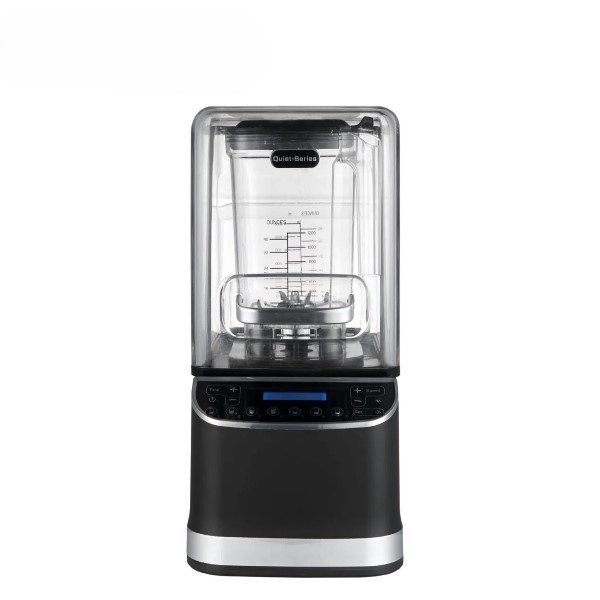
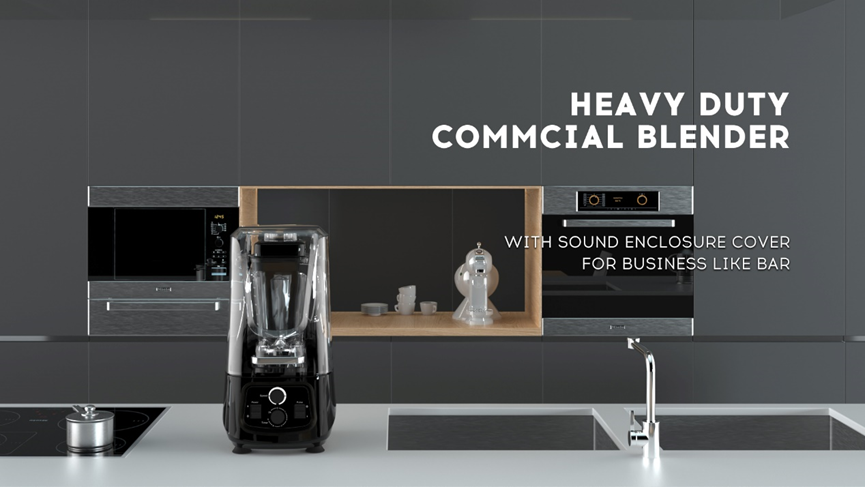
We take times to design, manufacture and launch our products into market carefully, ensure each model is fine crafted, withstand market testing. Our series of commercial blenders, although in compact design to save serving space of bar counter, are built in pure copper motor, power strong up to 3.5HP, combine with wide blades, they are capable of mixing very heavy ingredients including root vegetables and ices into smooth status, and achieve precise creations as you want.
Tel:
E-mail:
Add:
FL 8, BUILDING 20, PHASE 2nd, TONGDE INDUSTRIAL ZONE, RONGGUI, SHUNDE, FOSHAN,GD
Copyright © 2023 Foshan Shanice Electrical Appliances Co.,Ltd. All rights reserved. 粤ICP备********号
Powered by www.300.cn SEO
Business license