

Why a Heavy Duty Industrial Blender is Essential for Your Manufacturing Process
release time:
2025-03-08
Why a Heavy Duty Industrial Blender is Essential for Your Manufacturing Process
Introduction to Industrial Blending in Manufacturing
In the fast-paced world of manufacturing, efficiency and quality are paramount. A **heavy-duty industrial blender** is not just another piece of equipment; it is a vital component that can dramatically influence production processes. By ensuring uniformity and precision in mixing, these blenders play a critical role in sectors ranging from food and beverage to pharmaceuticals and chemicals.
The Importance of Mixing in Manufacturing
In manufacturing, blending is more than just combining materials. It involves achieving a specific texture, viscosity, and consistency that meet stringent quality standards. A **heavy-duty industrial blender** provides the necessary power and efficiency to achieve these requirements.
Key Functions of Industrial Blenders in Manufacturing
Industrial blenders serve multiple functions, including:
1. **Homogenization**: Ensuring uniform distribution of ingredients.
2. **Emulsification**: Mixing immiscible liquids to form stable emulsions.
3. **Dispersal**: Breaking down solid particles into finer distributions.
4. **Dissolution**: Assisting in the mixing of solids into liquids to achieve a homogeneous solution.
Benefits of Using a Heavy Duty Industrial Blender
Utilizing a heavy-duty industrial blender comes with a myriad of advantages that can significantly improve your manufacturing process.
1. Enhanced Product Quality
A high-quality blender ensures that all components of the mixture are uniformly distributed, which is essential for maintaining product quality. For instance, in food manufacturing, uneven mixing can lead to inconsistent flavors or textures, affecting customer satisfaction.
2. Increased Efficiency
Heavy-duty industrial blenders are designed for high output. They can handle large batches, reducing the time spent on mixing processes and allowing for quicker turnaround times. This efficiency can lead to increased productivity and profitability.
3. Versatility Across Industries
These blenders can be used for various applications across multiple industries. From creating sauces in the food industry to mixing adhesives in manufacturing, their versatility makes them invaluable.
4. Cost-Effectiveness
Investing in a reliable industrial blender can save money in the long run. With reduced mixing time, lower labor costs, and minimized waste from inconsistent batches, businesses can see a substantial return on investment.
Choosing the Right Heavy Duty Industrial Blender
Selecting the right industrial blender can feel overwhelming, but understanding key features can simplify the decision-making process.
1. Capacity Requirements
Evaluate the volume of material you need to process. Blenders come in various sizes, and choosing one that matches your production needs is crucial for maintaining efficiency.
2. Power and Performance
The motor's power rating determines the blender's capability to handle tough mixtures. Look for blenders with high horsepower to ensure they can tackle even the most challenging applications.
3. Material Construction
The blender’s construction material significantly impacts its durability and functionality. Stainless steel is often preferred for its corrosion resistance and ease of cleaning, especially in food-related applications.
4. Ease of Cleaning and Maintenance
A blender that is easy to clean will save time and labor. Look for features like removable components and smooth surfaces that facilitate quick cleaning.
Common Applications of Heavy Duty Industrial Blenders
Heavy-duty industrial blenders have diverse applications across various industries.
1. Food and Beverage Industry
In this sector, blenders are crucial for mixing ingredients in sauces, dressings, and batters. They ensure consistency in flavor and texture which is vital for product quality.
2. Pharmaceutical Manufacturing
Blenders are used to produce uniform mixtures of powdered medications, ensuring accurate dosages and effectiveness of the final products.
3. Chemical Processing
In chemical manufacturing, blenders help mix solvents, powders, and liquids to create compounds used in various applications, from paints to adhesives.
4. Cosmetics Production
Heavy-duty blenders are essential in the cosmetics industry for creating creams, lotions, and other products that require precise mixing.
Maintaining Your Heavy Duty Industrial Blender
Proper maintenance is crucial for the longevity and performance of your industrial blender.
1. Regular Cleaning
Establish a routine cleaning schedule to prevent buildup and contamination. Depending on your industry, you may need to clean the blender after every use.
2. Inspect Components
Regularly check the motor, blades, and seals for wear and tear. Replacing worn components promptly can prevent costly repairs later.
3. Follow Manufacturer Guidelines
Always adhere to the manufacturer’s maintenance guidelines for optimal operation and longevity of the equipment.
FAQs About Heavy Duty Industrial Blenders
1. What is the difference between a heavy-duty industrial blender and a standard blender?
Heavy-duty industrial blenders are designed for high-volume mixing and durability, making them suitable for industrial applications, whereas standard blenders are typically intended for home use and lower capacities.
2. How much power do industrial blenders typically require?
The power requirement can vary widely, but heavy-duty blenders usually have motors ranging from 1 to 20 horsepower, depending on their design and intended application.
3. Are heavy-duty industrial blenders easy to operate?
Yes, most industrial blenders come with user-friendly controls and automated features, making them accessible for operators of all skill levels.
4. What materials can be blended in these industrial machines?
Heavy-duty industrial blenders can handle a wide range of materials, including liquids, dry powders, and semi-solid mixtures, depending on the model.
5. Can industrial blenders be customized for specific applications?
Yes, many manufacturers offer customization options for industrial blenders, allowing you to tailor the blender’s capabilities to meet specific production needs.
Conclusion
Investing in a **heavy-duty industrial blender** is pivotal for any manufacturing process aiming for efficiency and quality. These machines not only enhance product quality but also improve overall productivity and reduce operational costs. By understanding the different applications, selecting the right model, and maintaining it properly, businesses can leverage the full potential of industrial blending technology. In today’s competitive landscape, having the right equipment is not just an option; it’s a necessity for success.
More information



What we are making?
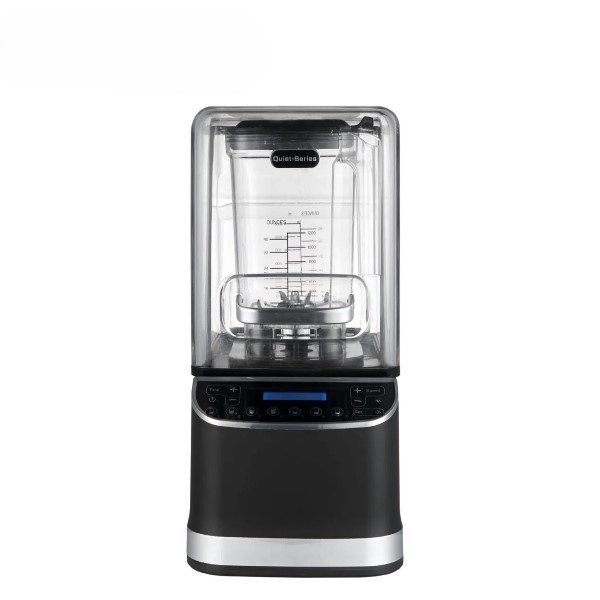
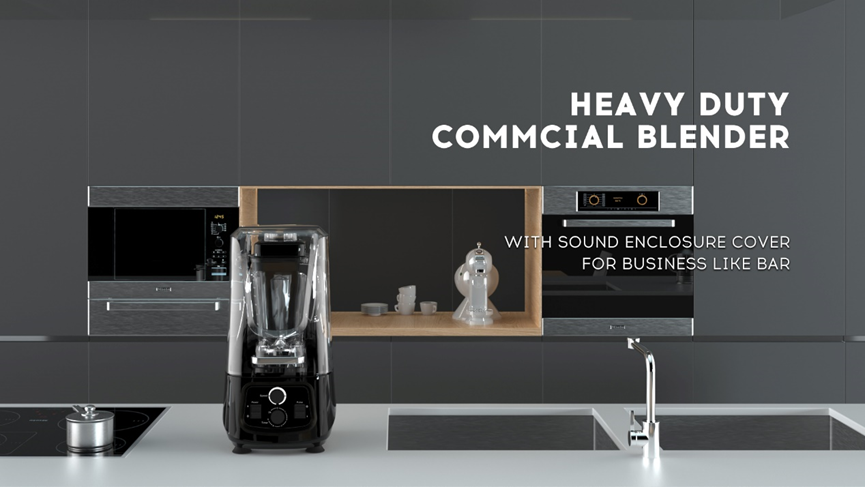
We take times to design, manufacture and launch our products into market carefully, ensure each model is fine crafted, withstand market testing. Our series of commercial blenders, although in compact design to save serving space of bar counter, are built in pure copper motor, power strong up to 3.5HP, combine with wide blades, they are capable of mixing very heavy ingredients including root vegetables and ices into smooth status, and achieve precise creations as you want.
Tel:
E-mail:
Add:
FL 8, BUILDING 20, PHASE 2nd, TONGDE INDUSTRIAL ZONE, RONGGUI, SHUNDE, FOSHAN,GD
Copyright © 2023 Foshan Shanice Electrical Appliances Co.,Ltd. All rights reserved. 粤ICP备********号
Powered by www.300.cn SEO
Business license