

Unlocking Efficiency: The Power of Industrial Heavy Duty Blenders
release time:
2025-03-11
Industrial heavy duty blenders play a crucial role in various manufacturing processes, particularly in industries such as food processing, pharmaceuticals, and chemicals. These machines are designed to withstand the rigors of continuous operation while delivering superior blending results. Understanding the characteristics and advantages of these blenders can help businesses make informed decisions when selecting the right equipment for their mixing needs.
One of the defining features of industrial heavy duty blenders is their robust construction. Built with high-quality materials and advanced engineering, these blenders are equipped to handle large volumes of materials, including both dry and wet substances. This durability ensures that they can operate efficiently even under demanding conditions, making them ideal for high-capacity production environments.
In addition to their strength, industrial heavy duty blenders are designed with powerful motors that provide high-speed mixing capabilities. This feature allows for consistent and thorough blending of diverse materials, which is essential for achieving uniform product quality. Whether it’s emulsifying, mixing, or homogenizing, these blenders can ensure that all ingredients are evenly distributed, resulting in a superior end product.
Another significant advantage of industrial heavy duty blenders is their versatility. These machines can be utilized for a wide range of applications across different sectors. For example, in the food industry, they are commonly used for blending sauces, dressings, and batters. In pharmaceuticals, they can facilitate the mixing of powders and liquids for drug formulation. This adaptability makes them an invaluable asset for manufacturers looking to diversify their product lines.
Moreover, the efficiency of industrial heavy duty blenders can lead to significant cost savings. By reducing mixing times and improving product quality, businesses can enhance their overall productivity. This increased efficiency not only streamlines operations but also minimizes waste, further contributing to cost reduction.
When selecting an industrial heavy duty blender, it is essential to consider factors such as capacity, mixing technology, and ease of maintenance. Different models may offer varying features, including programmable controls, safety mechanisms, and energy efficiency options. Therefore, conducting thorough research and evaluating specific operational requirements is vital to ensuring that the chosen blender meets the demands of your production processes.
In conclusion, industrial heavy duty blenders are an integral component of modern manufacturing systems. Their robust construction, powerful mixing capabilities, and versatility make them essential for achieving high-quality results across various industries. By investing in the right blending technology, businesses can enhance their efficiency, reduce operational costs, and ultimately achieve greater success in their respective markets.
One of the defining features of industrial heavy duty blenders is their robust construction. Built with high-quality materials and advanced engineering, these blenders are equipped to handle large volumes of materials, including both dry and wet substances. This durability ensures that they can operate efficiently even under demanding conditions, making them ideal for high-capacity production environments.
In addition to their strength, industrial heavy duty blenders are designed with powerful motors that provide high-speed mixing capabilities. This feature allows for consistent and thorough blending of diverse materials, which is essential for achieving uniform product quality. Whether it’s emulsifying, mixing, or homogenizing, these blenders can ensure that all ingredients are evenly distributed, resulting in a superior end product.
Another significant advantage of industrial heavy duty blenders is their versatility. These machines can be utilized for a wide range of applications across different sectors. For example, in the food industry, they are commonly used for blending sauces, dressings, and batters. In pharmaceuticals, they can facilitate the mixing of powders and liquids for drug formulation. This adaptability makes them an invaluable asset for manufacturers looking to diversify their product lines.
Moreover, the efficiency of industrial heavy duty blenders can lead to significant cost savings. By reducing mixing times and improving product quality, businesses can enhance their overall productivity. This increased efficiency not only streamlines operations but also minimizes waste, further contributing to cost reduction.
When selecting an industrial heavy duty blender, it is essential to consider factors such as capacity, mixing technology, and ease of maintenance. Different models may offer varying features, including programmable controls, safety mechanisms, and energy efficiency options. Therefore, conducting thorough research and evaluating specific operational requirements is vital to ensuring that the chosen blender meets the demands of your production processes.
In conclusion, industrial heavy duty blenders are an integral component of modern manufacturing systems. Their robust construction, powerful mixing capabilities, and versatility make them essential for achieving high-quality results across various industries. By investing in the right blending technology, businesses can enhance their efficiency, reduce operational costs, and ultimately achieve greater success in their respective markets.
More information



What we are making?
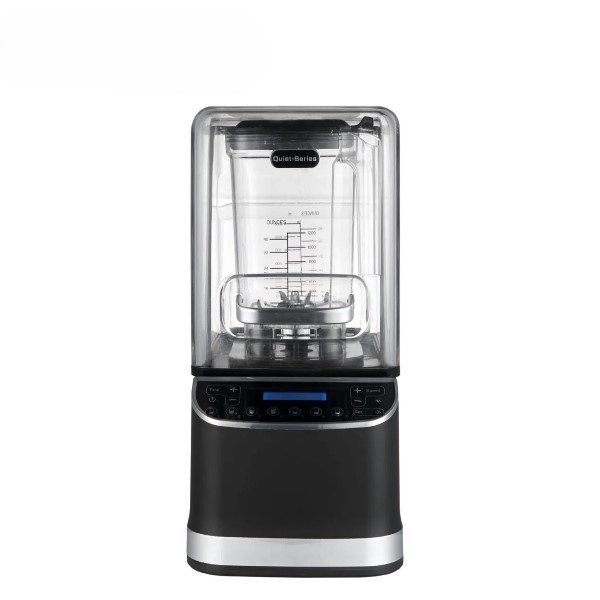
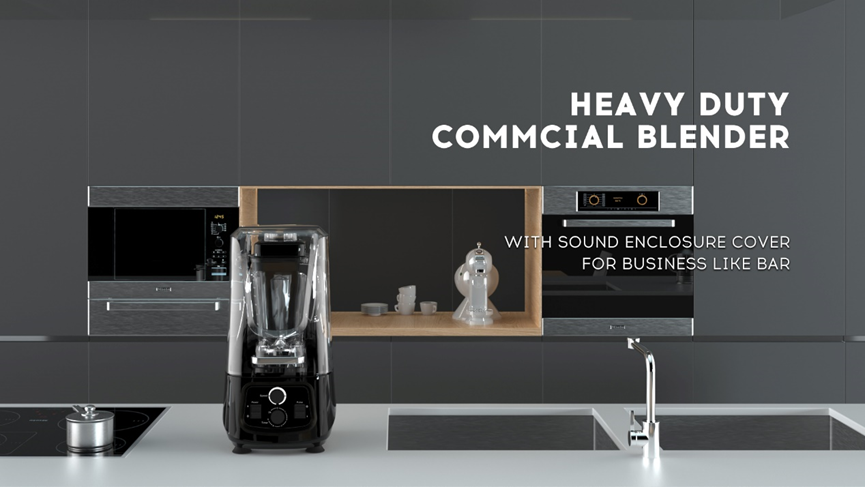
We take times to design, manufacture and launch our products into market carefully, ensure each model is fine crafted, withstand market testing. Our series of commercial blenders, although in compact design to save serving space of bar counter, are built in pure copper motor, power strong up to 3.5HP, combine with wide blades, they are capable of mixing very heavy ingredients including root vegetables and ices into smooth status, and achieve precise creations as you want.
Tel:
E-mail:
Add:
FL 8, BUILDING 20, PHASE 2nd, TONGDE INDUSTRIAL ZONE, RONGGUI, SHUNDE, FOSHAN,GD
Copyright © 2023 Foshan Shanice Electrical Appliances Co.,Ltd. All rights reserved. 粤ICP备********号
Powered by www.300.cn SEO
Business license