

Unlocking the Potential of Vacuum Blenders for Commercial Success
release time:
2025-10-21
In the world of commercial kitchens and high-volume food preparation, efficiency and quality are paramount. Vacuum blenders for commercial use have emerged as a game-changer for chefs and food service professionals seeking to enhance their blending processes. These specialized machines not only blend ingredients but also offer a range of benefits that can significantly improve the final product and operational workflow.
One of the primary advantages of vacuum blenders is their ability to minimize oxidation during the blending process. By extracting air from the blending chamber, vacuum blenders preserve the vibrant colors, flavors, and nutritional content of ingredients. This feature is particularly beneficial for smoothies, soups, and sauces, as it results in a fresher taste and more appealing presentation. Chefs and food service operators can offer their customers a superior product that stands out in quality, which can lead to increased customer satisfaction and repeat business.
Additionally, vacuum blenders are designed to handle larger volumes compared to traditional blenders. This capability makes them ideal for restaurants, cafes, and catering services that require quick and efficient blending without compromising quality. With powerful motors and robust construction, these machines can process tough ingredients and deliver smooth results within a short timeframe, streamlining kitchen operations and enhancing productivity.
When selecting a vacuum blender for commercial use, several considerations are essential. First, evaluate the capacity of the blender to ensure it can meet your specific volume requirements. A machine with a larger capacity can save time by reducing the number of blending cycles needed during peak hours. Second, consider the ease of cleaning and maintenance. Commercial kitchens demand equipment that can be easily disassembled and cleaned to maintain hygiene standards. Look for vacuum blenders with dishwasher-safe components and user-friendly designs.
Another important factor is the durability of the machine. Since vacuum blenders for commercial use will be subjected to frequent and intensive use, investing in a model made from high-quality materials can provide long-term reliability and reduce replacement costs. Look for blenders with warranties or service agreements that can offer peace of mind regarding their longevity.
In summary, vacuum blenders for commercial use are a valuable addition to any professional kitchen, enhancing the quality of blended products while improving operational efficiency. By minimizing oxidation, increasing capacity, and facilitating easier cleaning, these machines empower chefs to deliver exceptional culinary creations that keep customers coming back for more. As you consider upgrading your kitchen equipment, think about the transformative potential that vacuum blending can offer to your business.
One of the primary advantages of vacuum blenders is their ability to minimize oxidation during the blending process. By extracting air from the blending chamber, vacuum blenders preserve the vibrant colors, flavors, and nutritional content of ingredients. This feature is particularly beneficial for smoothies, soups, and sauces, as it results in a fresher taste and more appealing presentation. Chefs and food service operators can offer their customers a superior product that stands out in quality, which can lead to increased customer satisfaction and repeat business.
Additionally, vacuum blenders are designed to handle larger volumes compared to traditional blenders. This capability makes them ideal for restaurants, cafes, and catering services that require quick and efficient blending without compromising quality. With powerful motors and robust construction, these machines can process tough ingredients and deliver smooth results within a short timeframe, streamlining kitchen operations and enhancing productivity.
When selecting a vacuum blender for commercial use, several considerations are essential. First, evaluate the capacity of the blender to ensure it can meet your specific volume requirements. A machine with a larger capacity can save time by reducing the number of blending cycles needed during peak hours. Second, consider the ease of cleaning and maintenance. Commercial kitchens demand equipment that can be easily disassembled and cleaned to maintain hygiene standards. Look for vacuum blenders with dishwasher-safe components and user-friendly designs.
Another important factor is the durability of the machine. Since vacuum blenders for commercial use will be subjected to frequent and intensive use, investing in a model made from high-quality materials can provide long-term reliability and reduce replacement costs. Look for blenders with warranties or service agreements that can offer peace of mind regarding their longevity.
In summary, vacuum blenders for commercial use are a valuable addition to any professional kitchen, enhancing the quality of blended products while improving operational efficiency. By minimizing oxidation, increasing capacity, and facilitating easier cleaning, these machines empower chefs to deliver exceptional culinary creations that keep customers coming back for more. As you consider upgrading your kitchen equipment, think about the transformative potential that vacuum blending can offer to your business.
More information

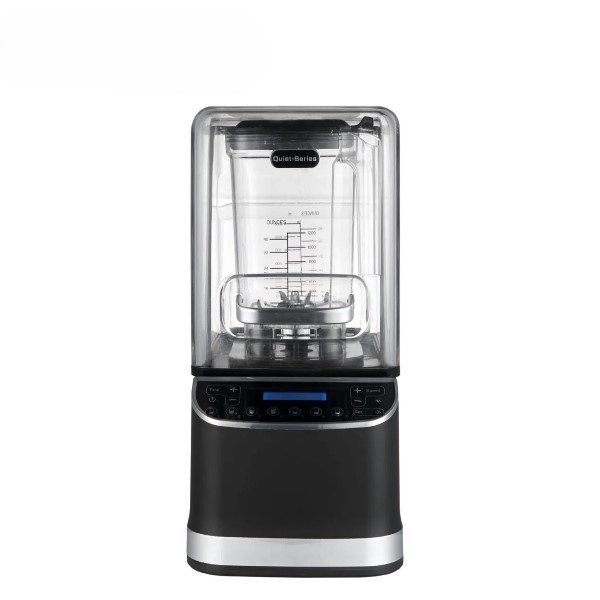

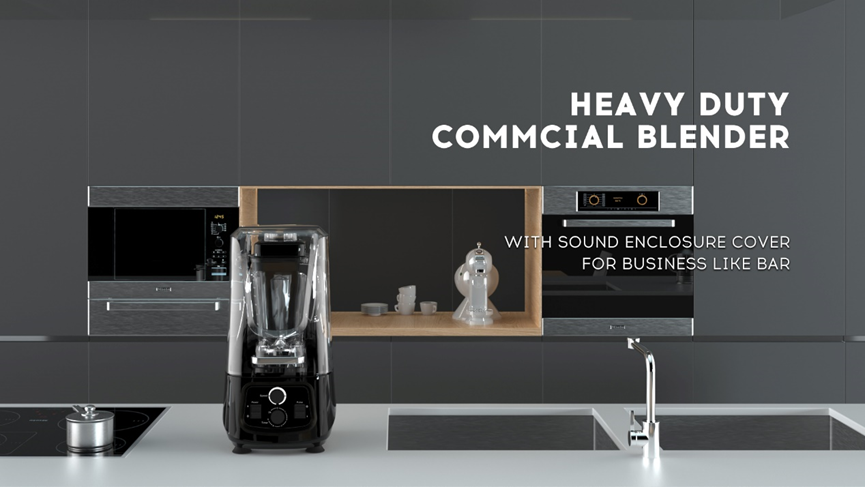

What we are making?
We take times to design, manufacture and launch our products into market carefully, ensure each model is fine crafted, withstand market testing. Our series of commercial blenders, although in compact design to save serving space of bar counter, are built in pure copper motor, power strong up to 3.5HP, combine with wide blades, they are capable of mixing very heavy ingredients including root vegetables and ices into smooth status, and achieve precise creations as you want.
Tel:
E-mail:
Add:
FL 8, BUILDING 20, PHASE 2nd, TONGDE INDUSTRIAL ZONE, RONGGUI, SHUNDE, FOSHAN,GD
Copyright © 2023 Foshan Shanice Electrical Appliances Co.,Ltd. All rights reserved. 粤ICP备********号
Powered by www.300.cn SEO
Business license