
Smoothie Maker Safety Tips: Essential Guidelines for Safe Blending
release time:
2026-01-10
Smoothie Maker Safety Tips: Essential Guidelines for Safe Blending
Table of Contents
- 1. Introduction to Smoothie Maker Safety
- 2. Understanding Smoothie Makers: The Basics
- 3. Common Safety Issues with Smoothie Makers
- 4. Pre-Blending Safety Checklist
- 5. Safety Tips While Blending
- 6. Post-Blending Safety Practices
- 7. Cleaning and Maintaining Your Smoothie Maker
- 8. Frequently Asked Questions
- 9. Conclusion
1. Introduction to Smoothie Maker Safety
Smoothie makers are wonderful kitchen appliances that allow us to whip up nutritious and delicious drinks in minutes. However, as with any kitchen appliance, safety should be a top priority. This article explores key safety tips and practices that can help you enjoy your smoothie-making experience without any mishaps. Whether you are a novice or an experienced blender, these guidelines will ensure that you blend safely and efficiently.
2. Understanding Smoothie Makers: The Basics
Smoothie makers come in various designs and functionalities, but they all share the same core purpose: blending ingredients to create smooth, tasty beverages. Understanding how your particular model works is crucial for safe operation. Familiarize yourself with the components of your smoothie maker, including:
2.1 Key Components of a Smoothie Maker
- **Blending Jar**: Usually made of glass or BPA-free plastic, this is where you place your ingredients.
- **Blades**: Sharp and designed for efficient blending, these can pose a risk if mishandled.
- **Motor Base**: The component that powers the blades; ensure it is stable and free of obstructions.
- **Lid**: This prevents spills and splashes during blending. It must fit securely to ensure safety.
3. Common Safety Issues with Smoothie Makers
While smoothie makers are generally safe, certain risks can arise if they are not used correctly. Here are some common safety issues to be aware of:
3.1 Blade Injuries
Accidental contact with the blades can lead to cuts or lacerations. Always handle blades with care, and when cleaning, ensure they are not within reach.
3.2 Overheating
Using your smoothie maker for extended periods can lead to overheating. This can potentially damage the motor and lead to safety hazards.
3.3 Electrical Hazards
Spills or moisture can pose risks to the electrical components of your smoothie maker. Always ensure that your hands and the appliance are dry when plugging in or operating.
4. Pre-Blending Safety Checklist
Before you start blending, it is important to conduct a safety check. Here are steps to follow:
4.1 Inspect Your Smoothie Maker
- Ensure that all components are securely attached.
- Check for any visible signs of wear or damage.
- Verify that the power cord is intact and free of frays.
4.2 Prepare Ingredients Safely
- Wash fruits and vegetables thoroughly to remove pesticides and contaminants.
- Cut hard ingredients into smaller pieces to minimize strain on the blades.
4.3 Set Up a Safe Workspace
- Place your smoothie maker on a stable, flat surface away from the edge of countertops.
- Ensure that the workspace is organized, and keep any distractions away.
5. Safety Tips While Blending
Once you start blending, several safety tips can help prevent accidents:
5.1 Secure the Lid
Make sure the lid is tightly secured before starting the blender. This minimizes the risk of spills and splatters.
5.2 Start Slowly
Begin blending at a low speed to avoid splashing. Gradually increase the speed once the ingredients start to combine.
5.3 Never Insert Utensils
Avoid using utensils to push ingredients down the blending jar while the machine is running. This can lead to serious injuries.
5.4 Keep Hands Dry
Ensure your hands are dry when operating the buttons or controls to avoid electrical shocks.
6. Post-Blending Safety Practices
After you have finished blending, follow these guidelines to ensure safety:
6.1 Unplug the Appliance
Always unplug the smoothie maker immediately after use to reduce the risk of accidental activation.
6.2 Allow to Cool
Give the machine some time to cool down before cleaning or disassembling it to avoid burns from hot components.
6.3 Clean Thoroughly
Clean all parts immediately after use to prevent food residue buildup and ensure safe operation for future use.
7. Cleaning and Maintaining Your Smoothie Maker
Proper cleaning and maintenance are essential for both safety and longevity of your smoothie maker. Follow these practices:
7.1 Regular Cleaning
After each use, rinse the blending jar and blades with warm, soapy water. Use a soft sponge to avoid scratching the surfaces.
7.2 Deep Cleaning
Periodically, perform a deep clean by running a mixture of warm water and vinegar through the blender to remove stubborn residues.
7.3 Inspect Components
Regularly check the blades for dullness or damage and replace them if necessary. Ensure seals and gaskets are intact to prevent leaks during blending.
8. Frequently Asked Questions
8.1 Can I put hot liquids in my smoothie maker?
Most smoothie makers are not designed for hot liquids. Always allow hot ingredients to cool before blending.
8.2 How can I prevent my smoothie maker from overheating?
Limit continuous blending to 1-2 minutes at a time and allow the appliance to cool between uses.
8.3 What should I do if my smoothie maker won't turn on?
Check that it's properly plugged in and that the blending jar is securely attached. If it still won’t turn on, consult the manual for troubleshooting steps.
8.4 Are there any ingredients I should avoid blending?
Avoid blending very hard items like whole nuts or ice cubes unless your smoothie maker is specifically designed for them.
8.5 How can I ensure the blades stay sharp?
Regularly clean the blades and avoid blending hard ingredients that can dull them quickly.
9. Conclusion
In conclusion, understanding and implementing safety tips while using your smoothie maker is crucial for a worry-free blending experience. By following these guidelines—from pre-blending checks to post-blending cleanup—you can enjoy delicious smoothies while minimizing risks. Remember, a safe kitchen is a happy kitchen, and incorporating these practices will not only protect you but also enhance your overall smoothie-making experience. Celebrate your creativity in the kitchen with confidence, knowing that safety is always at the forefront.
More information



What we are making?
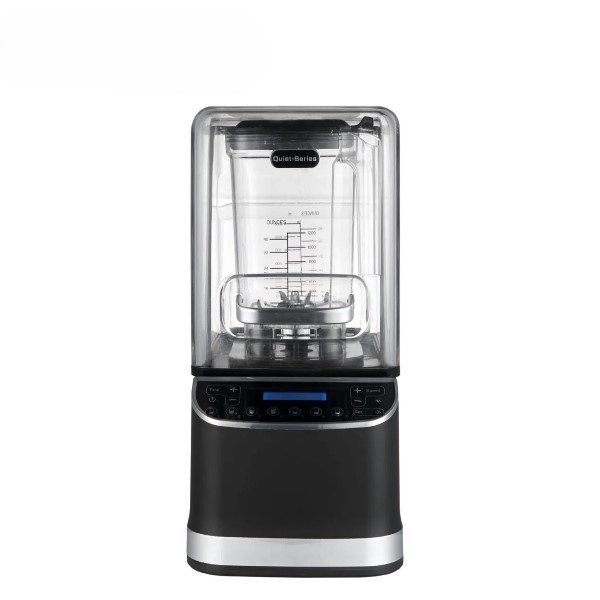
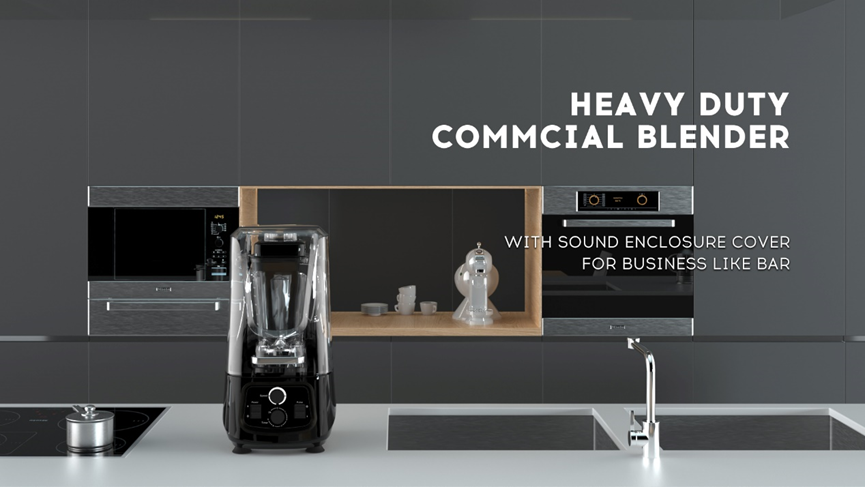
We take times to design, manufacture and launch our products into market carefully, ensure each model is fine crafted, withstand market testing. Our series of commercial blenders, although in compact design to save serving space of bar counter, are built in pure copper motor, power strong up to 3.5HP, combine with wide blades, they are capable of mixing very heavy ingredients including root vegetables and ices into smooth status, and achieve precise creations as you want.
Tel:
E-mail:
Add:
FL 8, BUILDING 20, PHASE 2nd, TONGDE INDUSTRIAL ZONE, RONGGUI, SHUNDE, FOSHAN,GD
Copyright © 2023 Foshan Shanice Electrical Appliances Co.,Ltd. All rights reserved. 粤ICP备********号
Powered by www.300.cn SEO
Business license