
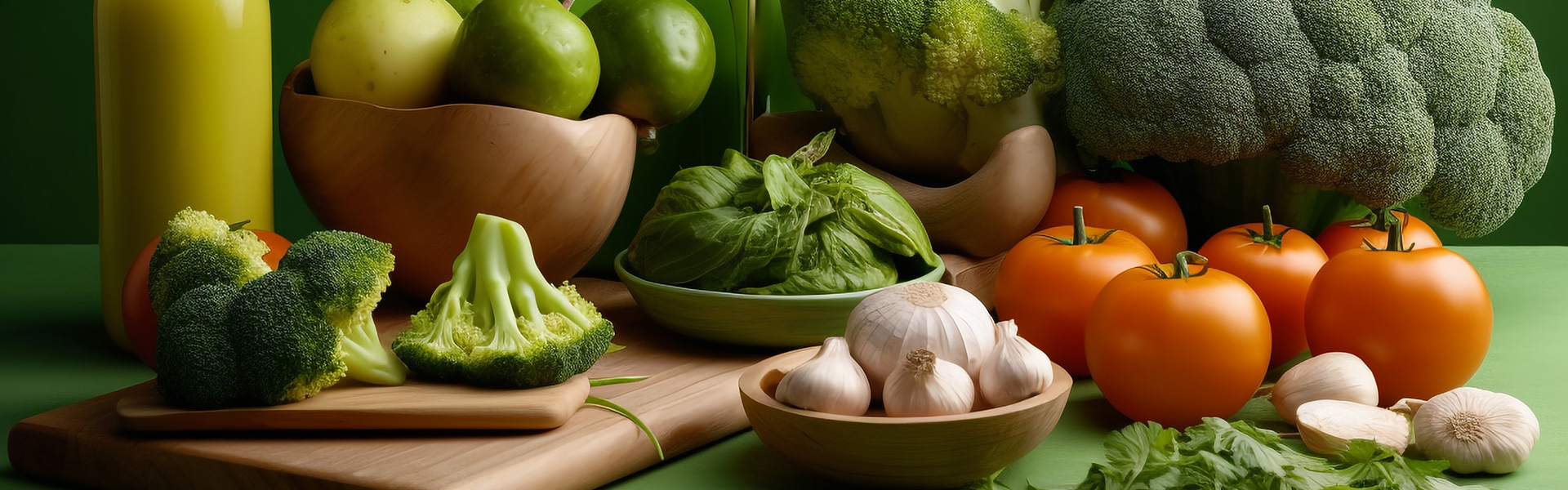
Top Features to Look for in a Blender for Smoothies and Shakes
release time:
2026-02-04
Top Features to Look for in a Blender for Smoothies and Shakes
In today’s health-conscious world, smoothies and shakes have become synonymous with nutrition, energy, and convenience. A high-quality blender is essential for creating these delicious drinks, and with a plethora of options available in the market, choosing the right one can be overwhelming. This guide will walk you through the critical features to consider when investing in a blender specifically for smoothies and shakes, ensuring you get the best performance and value for your money.
Table of Contents
- 1. Power and Performance
- 2. Blade Design and Material
- 3. Capacity and Size
- 4. Speed Settings and Functions
- 5. Ease of Use and Cleaning
- 6. Durability and Warranty
- 7. Noise Level
- 8. Price and Value for Money
- 9. Conclusion
- 10. FAQs
1. Power and Performance
When selecting a blender for smoothies and shakes, one of the first features to consider is its power. The motor's wattage plays a crucial role in determining how efficiently the blender can handle various ingredients. A blender with a motor rated between 500 to 1,500 watts is ideal for creating smooth and creamy textures.
For those who frequently blend tough ingredients such as frozen fruits, nuts, or ice, a higher wattage is beneficial. Additionally, a high-performance blender can save time and effort, allowing you to achieve the desired consistency in a matter of seconds. Look for blenders that offer a range of power settings for added versatility.
2. Blade Design and Material
The blade design significantly impacts the blending process. Stainless steel blades are the gold standard because they are durable, resistant to rust, and capable of handling various textures. Ensure the blades are sharpened and designed for optimal performance.
Some blenders feature unique blade configurations that enhance blending efficiency. For instance, blades that are angled or designed to create a vortex can help pull ingredients down towards the blades, ensuring a smoother blend. Consider blenders with interchangeable blades for different blending tasks, as this provides added versatility.
3. Capacity and Size
Blender capacity is another crucial factor, especially if you plan to make smoothies for multiple people or larger batches. Most blenders come in capacities ranging from 32 oz to 72 oz. A larger pitcher is beneficial for those who like to prepare family-sized portions, while a compact option may be more suitable for individual servings or smaller kitchens.
Consider the footprint of the blender as well. If counter space is limited, look for models that are compact and easy to store. Some blenders even come with travel cups, which are perfect for on-the-go lifestyles.
4. Speed Settings and Functions
Different blending tasks require different speeds. A blender with multiple speed settings allows you to achieve the desired consistency, whether you're making a thick smoothie or a thin shake. Look for models that offer at least three to five speed settings for maximum control.
Additionally, some blenders come with pre-programmed settings tailored for smoothies, soups, or ice crushing. These functions can simplify the blending process, making it easier to achieve the perfect texture without guesswork.
5. Ease of Use and Cleaning
A user-friendly design can significantly enhance your blending experience. Look for blenders with intuitive controls, easy-to-read markings on the pitcher, and ergonomic handles that provide a comfortable grip.
Cleaning is another critical consideration. Many modern blenders feature dishwasher-safe components, which simplifies the cleanup process. Some even have self-cleaning functions—just add soap and water, and the blender does the rest. A design that minimizes nooks and crannies can also make handwashing easier.
6. Durability and Warranty
Investing in a quality blender means considering its durability. Look for models made from high-grade materials, including BPA-free plastic for pitchers and robust metal for housing. A blender that can withstand daily use will save you money in the long run.
Check the warranty as well. A solid warranty—typically ranging from 1 to 7 years—can provide peace of mind, ensuring that your investment is protected against defects and malfunctions.
7. Noise Level
Blenders can be quite noisy, especially powerful ones. If you're sensitive to sound or plan to use your blender early in the morning or late at night, consider the noise level of the model you're interested in. Some brands have engineered quieter motors that significantly reduce the noise produced during operation.
Reading customer reviews can provide insight into how noisy a particular model is, helping you make a more informed decision.
8. Price and Value for Money
Blenders are available at various price points, from budget-friendly options to high-end models. While it may be tempting to opt for the cheapest option, it's essential to consider the features and durability of the blender to ensure you're getting good value for your money.
Evaluate what features are most important to you and your blending habits. Often, spending a bit more upfront can lead to a more durable and efficient appliance that meets your needs for years to come.
9. Conclusion
Choosing the right blender for smoothies and shakes involves considering several factors, including power, blade design, capacity, and ease of use. By focusing on these essential features, you can select a blender that not only meets but exceeds your blending needs, ensuring perfect smoothies and shakes every time. Remember to consider your individual preferences and blending habits, and don’t hesitate to invest in a model that aligns with your lifestyle. With the right blender, creating nutritious and delicious beverages can become a delightful daily ritual.
10. FAQs
What is the best wattage for a smoothie blender?
The ideal wattage for a smoothie blender is between 500 and 1,500 watts. Higher wattage typically translates to better performance, especially for tough ingredients.
Can I blend hot liquids in a blender designed for smoothies?
Some blenders are designed for hot liquids, while others are not. Always check the manufacturer's guidelines before blending hot ingredients to avoid damage or accidents.
How do I clean my blender properly?
Most blenders can be cleaned easily by adding warm water and a drop of dish soap, then blending for a few seconds. Some models are dishwasher safe, making cleanup even simpler.
Are there blenders that can crush ice?
Yes, many high-performance blenders are designed to crush ice easily. Look for models with strong motors and sharp blades for the best results.
What’s the difference between a personal blender and a full-sized blender?
Personal blenders are typically smaller and designed for single servings, while full-sized blenders have larger capacities and more powerful motors, ideal for making larger batches.
By considering these features and understanding your blending needs, you can select a blender that will not only serve you well but also enhance your health and lifestyle through delicious smoothies and shakes.
More information



What we are making?
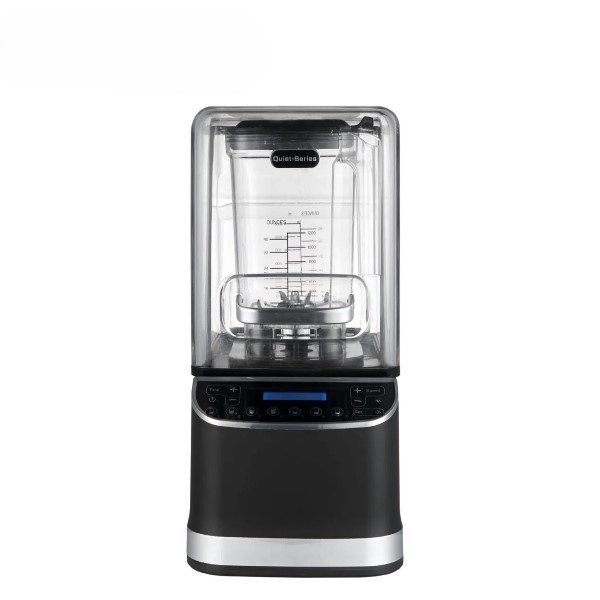
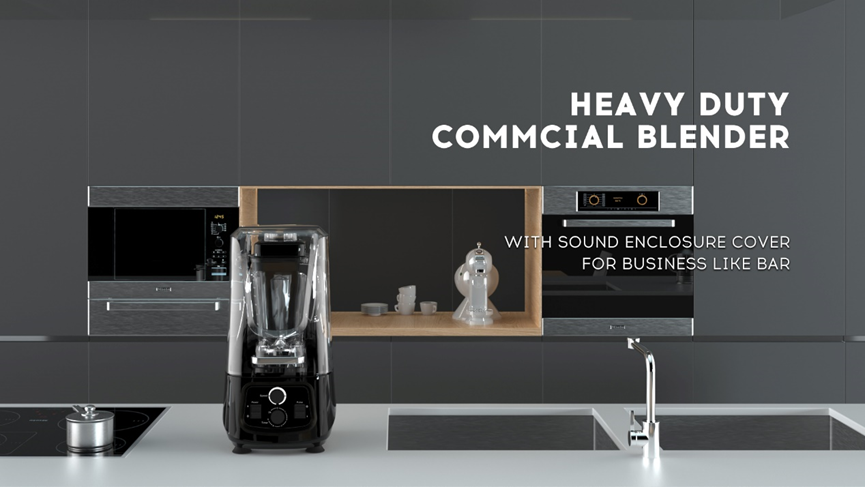
We take times to design, manufacture and launch our products into market carefully, ensure each model is fine crafted, withstand market testing. Our series of commercial blenders, although in compact design to save serving space of bar counter, are built in pure copper motor, power strong up to 3.5HP, combine with wide blades, they are capable of mixing very heavy ingredients including root vegetables and ices into smooth status, and achieve precise creations as you want.
Tel:
E-mail:
Add:
FL 8, BUILDING 20, PHASE 2nd, TONGDE INDUSTRIAL ZONE, RONGGUI, SHUNDE, FOSHAN,GD