
How to Make Smoothies for Weight Loss with a Kitchen Blender: A Comprehensive Guide
release time:
2026-03-06
How to Make Smoothies for Weight Loss with a Kitchen Blender
Table of Contents
1. Understanding the Benefits of Smoothies for Weight Loss
2. Essential Ingredients for Healthy Weight Loss Smoothies
3. Choosing the Right Kitchen Blender for Smoothies
4. Step-by-Step Guide to Making Weight Loss Smoothies
5. Popular Smoothie Recipes for Weight Loss
6. Tips for Boosting the Nutritional Value of Your Smoothies
7. Common Mistakes to Avoid When Making Smoothies
8. Answering Your FAQs About Weight Loss Smoothies
9. Conclusion: Elevate Your Weight Loss Journey with Smoothies
1. Understanding the Benefits of Smoothies for Weight Loss
When it comes to weight loss, smoothies offer an effective and enjoyable way to incorporate nutritious ingredients into your diet. They allow for a quick, on-the-go meal replacement or snack option that can keep you feeling full while providing essential vitamins and minerals. The liquid nature of smoothies helps in hydration, and the fiber content from fruits and vegetables aids digestion and enhances satiety.
Moreover, smoothies can be tailored to your specific health goals, whether you are looking to reduce calorie intake, increase protein consumption, or manage your macros more effectively. This flexibility is essential for keeping your diet interesting and sustainable over the long term.
2. Essential Ingredients for Healthy Weight Loss Smoothies
To maximize the weight loss benefits of your smoothies, it's crucial to select the right ingredients. Here are the essential components to consider:
Fruits
Using fruits provides natural sweetness and essential nutrients. Opt for low-sugar options such as berries, green apples, or citrus fruits. These fruits are rich in antioxidants, vitamins, and minerals that support overall health.
Vegetables
Incorporating leafy greens, such as spinach or kale, adds fiber and essential nutrients without adding significant calories. Vegetables also help maintain the smoothie’s texture while providing a boost of vitamins.
Protein Sources
Adding a protein source can help you feel fuller for longer. Options include Greek yogurt, protein powder, or nut butter. These ingredients not only enhance satiety but also contribute to muscle maintenance and recovery.
Healthy Fats
Incorporating healthy fats, such as avocado or flaxseeds, can further increase the satiety of your smoothie, aiding in weight loss efforts while providing essential fatty acids.
Liquid Base
The liquid you choose can significantly impact the overall healthiness of your smoothie. Consider almond milk, coconut water, or even plain water as low-calorie, nutritious bases. Avoid high-calorie juices or sugary beverages.
3. Choosing the Right Kitchen Blender for Smoothies
The right kitchen blender is essential for creating smooth, creamy smoothies. Here are the types to consider:
High-Powered Blenders
These blenders are perfect for breaking down fibrous vegetables and ice, creating a smooth consistency. Brands such as Vitamix and Blendtec are popular choices among health enthusiasts.
Standard Blenders
If you don’t need to blend tough ingredients, a standard blender can suffice. Brands like Ninja and Hamilton Beach offer reliable options for everyday smoothies.
Immersion Blenders
For those who prefer a compact option, immersion blenders work well for single servings and are easy to clean. However, they may not achieve the same creamy texture as traditional blenders.
4. Step-by-Step Guide to Making Weight Loss Smoothies
Creating a smoothie is not only simple but also allows for creativity. Follow these step-by-step instructions to whip up your next delicious creation:
Step 1: Select Your Ingredients
Choose a balance of fruits, vegetables, proteins, and healthy fats based on your preferences and dietary needs.
Step 2: Prepare Your Ingredients
Wash and chop fruits and vegetables as necessary. If you're using frozen ingredients, there’s no need to thaw them first.
Step 3: Add Ingredients to Blender
Begin by adding the liquid base to the blender. Layer the other ingredients on top, starting with softer items and finishing with hard items like ice or frozen fruits.
Step 4: Blend Thoroughly
Start the blender on a low setting and gradually increase the speed. Blend until the mixture reaches a smooth consistency, scraping down the sides if necessary.
Step 5: Taste and Adjust
After blending, taste your smoothie. If it needs more sweetness, consider adding a natural sweetener like honey or agave syrup. If it's too thick, add more liquid.
Step 6: Serve and Enjoy
Pour your smoothie into a glass or container, and enjoy immediately to reap the maximum nutritional benefits.
5. Popular Smoothie Recipes for Weight Loss
Here are a few delicious and nutritious smoothie recipes that can aid in weight loss:
Green Detox Smoothie
- Ingredients: 1 cup spinach, 1/2 banana, 1/2 apple, 1 tablespoon chia seeds, 1 cup almond milk.
- Benefits: Packed with fiber and antioxidants, this smoothie aids digestion and boosts metabolism.
Berry Protein Blast
- Ingredients: 1 cup mixed berries, 1 scoop protein powder, 1 tablespoon almond butter, 1 cup water.
- Benefits: High in protein and vitamins, this smoothie supports muscle recovery and reduces cravings.
Tropical Avocado Smoothie
- Ingredients: 1/2 avocado, 1 cup pineapple, 1/2 cup coconut water, 1 tablespoon flaxseeds.
- Benefits: Rich in healthy fats, this smoothie provides lasting energy while keeping you full.
6. Tips for Boosting the Nutritional Value of Your Smoothies
To further enhance the nutritional profile of your smoothies, consider these tips:
Incorporate Superfoods
Add superfoods like matcha powder, spirulina, or acai to provide an additional nutrient boost.
Include Fiber-Rich Ingredients
Adding oats or psyllium husk can increase fiber content, promoting digestive health and satiety.
Rotate Your Ingredients
Vary your fruits and vegetables to ensure you're getting a wide range of nutrients and to prevent taste fatigue.
7. Common Mistakes to Avoid When Making Smoothies
To ensure you're making the most beneficial smoothies, avoid these common pitfalls:
Using Too Much Sugar
Many fruits are naturally sweet, so be cautious with added sugars or sugary juices, which can lead to excess calorie intake.
Neglecting Protein
A balanced smoothie should include protein for satiety. Skipping this can leave you hungry shortly after consuming your smoothie.
Not Measuring Ingredients
While smoothies are flexible, measuring ingredients can help control calorie intake and maintain a balanced diet.
8. Answering Your FAQs About Weight Loss Smoothies
Q1: Can smoothies replace meals for weight loss?
A1: Yes, smoothies can replace meals if balanced correctly and made with nutrient-dense ingredients.
Q2: How many smoothies should I consume daily for weight loss?
A2: One to two smoothies daily can be effective, but it is essential to maintain a balanced diet throughout the day.
Q3: Are smoothies high in calories?
A3: Smoothie calories vary based on ingredients, so it’s crucial to monitor portion sizes and ingredient choices.
Q4: Can I prepare smoothies in advance?
A4: Yes, smoothies can be prepared a day in advance and stored in the refrigerator, but it’s best to consume them fresh when possible.
Q5: How do I make my smoothies taste better?
A5: Experiment with different fruits, spices, and natural sweeteners to discover combinations that you enjoy.
9. Conclusion: Elevate Your Weight Loss Journey with Smoothies
Smoothies are an excellent tool for anyone looking to lose weight in a delicious and satisfying way. By understanding the importance of selecting the right ingredients and utilizing your kitchen blender effectively, you can create a multitude of nutritious and tasty smoothies. Incorporate these tips, recipes, and techniques into your daily routine to transform your weight loss journey and enjoy the myriad health benefits that smoothies have to offer. Embrace the variety, experiment with flavors, and savor every sip as you move towards your health goals.
More information



What we are making?
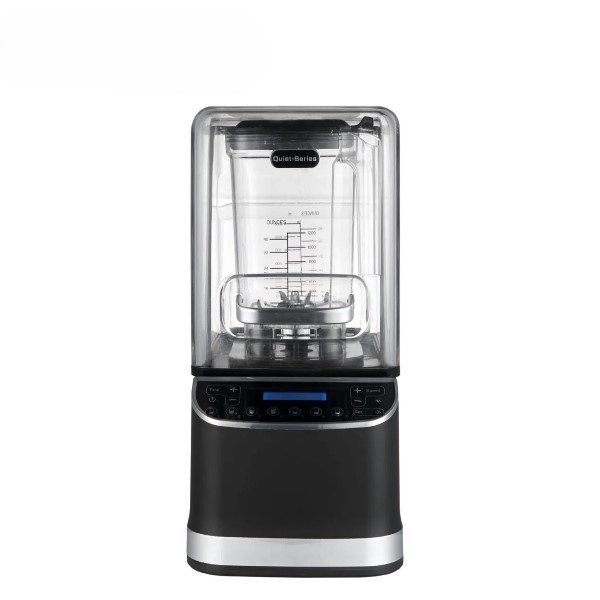
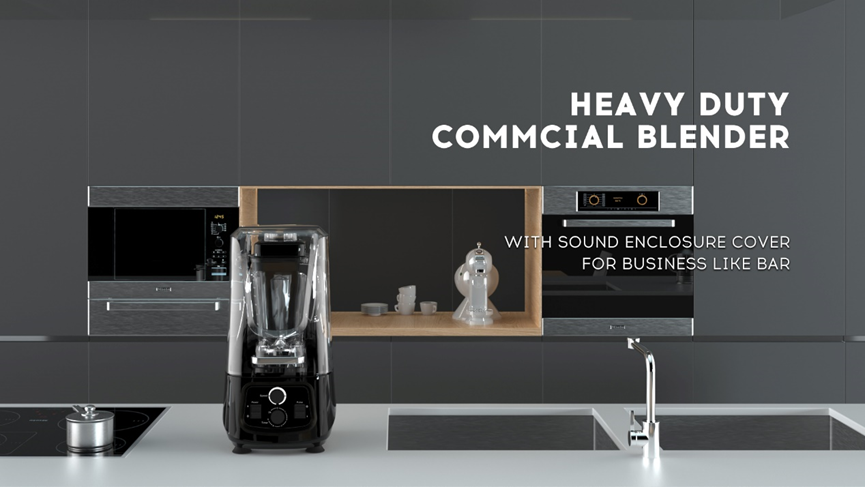
We take times to design, manufacture and launch our products into market carefully, ensure each model is fine crafted, withstand market testing. Our series of commercial blenders, although in compact design to save serving space of bar counter, are built in pure copper motor, power strong up to 3.5HP, combine with wide blades, they are capable of mixing very heavy ingredients including root vegetables and ices into smooth status, and achieve precise creations as you want.
Tel:
E-mail:
Add:
FL 8, BUILDING 20, PHASE 2nd, TONGDE INDUSTRIAL ZONE, RONGGUI, SHUNDE, FOSHAN,GD
Copyright © 2023 Foshan Shanice Electrical Appliances Co.,Ltd. All rights reserved. 粤ICP备********号
Powered by www.300.cn SEO
Business license