
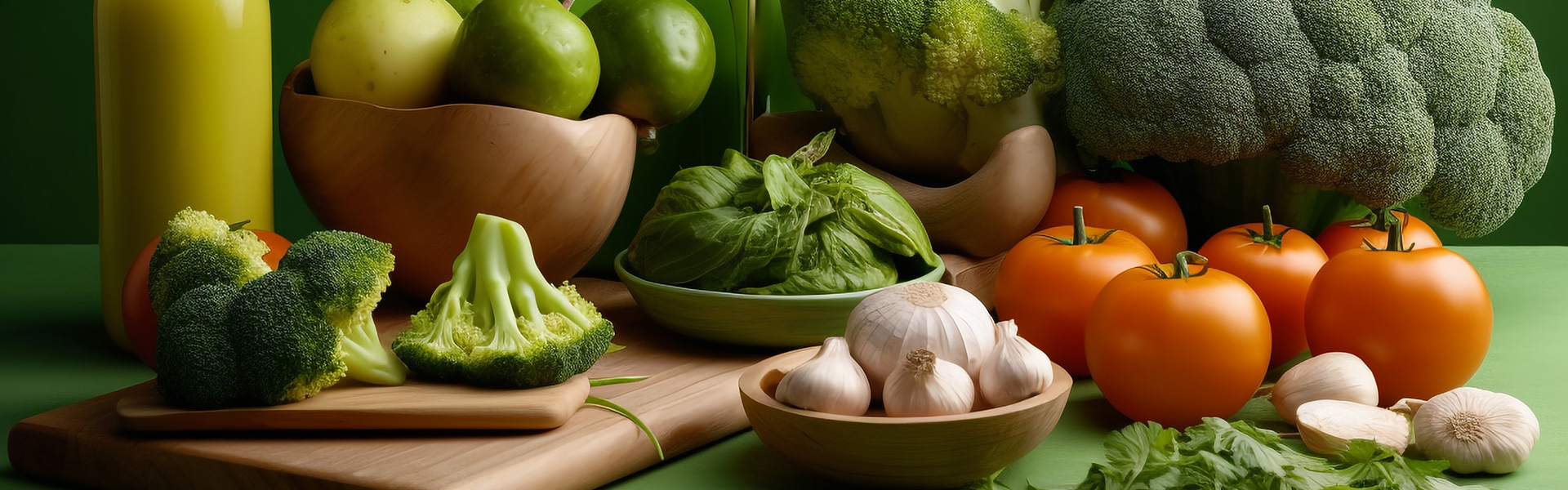
Essential Features to Consider When Choosing a Heavy Duty Blender for Your Kitchen
release time:
2026-03-12
Essential Features to Consider When Choosing a Heavy Duty Blender for Your Kitchen
When it comes to selecting the perfect heavy-duty blender, understanding the key features can make all the difference. A heavy-duty blender isn’t just a kitchen gadget; it’s an investment in your culinary capabilities. Whether you’re a professional chef or a home cook, knowing what to look for will ensure you get a blender that meets your needs and exceeds your expectations.
In this article, we will explore the essential features that should guide your decision-making process when purchasing a heavy-duty blender.
Table of Contents
- 1. Power and Performance: Why Wattage Matters
- 2. Blending Capacity: Choosing the Right Size for Your Needs
- 3. Blade Design: The Key to Efficient Blending
- 4. Material Quality: Building for Durability
- 5. Ease of Cleaning: Keeping Your Blender in Top Shape
- 6. Control Options: User-Friendly Features
- 7. Noise Levels: Operating Quietly in the Kitchen
- 8. Brand Reputation and Warranty: Investing in Quality
- 9. Conclusion
- 10. FAQs
1. Power and Performance: Why Wattage Matters
When assessing a heavy-duty blender, **power** is one of the most critical aspects to consider. The wattage of a blender typically ranges from 300 watts to over 1500 watts. A higher wattage means the blender can handle tougher ingredients and blend them more smoothly.
**Why does wattage matter?** Higher wattage blenders are particularly effective for crushing ice, making smoothies, and blending fibrous vegetables. For instance, if you're looking to create creamy nut butters or silky soups, opting for a blender with at least 1000 watts is advisable.
Moreover, a powerful motor ensures longevity. It can withstand regular use without overheating, providing consistent performance over time.
2. Blending Capacity: Choosing the Right Size for Your Needs
Blending capacity plays a significant role in determining how versatile your heavy-duty blender is. Most blenders come with containers ranging from **32 ounces to 64 ounces** or more.
If you often prepare large batches of smoothies or soups, a blender with a higher capacity is essential. On the other hand, if your kitchen space is limited or you primarily make single servings, a smaller container may suffice.
Additionally, consider the shape and design of the blending container. A wider base allows for better blending, while a taller container can help create a vortex, ensuring all ingredients get incorporated smoothly.
3. Blade Design: The Key to Efficient Blending
The **blade design** of a blender significantly impacts its performance. Most heavy-duty blenders have stainless steel blades that are both durable and effective.
Look for blades with a **wavy or serrated design**. This shape allows for better cutting and chopping, producing a finer blend. Some blenders also feature blades that are angled to create turbulence within the container, helping to mix ingredients more thoroughly.
Ultimately, the right blade design contributes to the blender’s overall efficiency, allowing it to handle various tasks—from making smoothies to crushing ice.
4. Material Quality: Building for Durability
The material of both the blender body and the blending container can affect not only durability but also performance. Heavy-duty blenders often feature a **stainless steel body** or a **high-quality plastic** that can withstand the rigors of daily use.
For the blending container, opt for **BPA-free plastic** or glass. Glass containers are generally more durable and do not retain odors or stains, while high-quality plastics are lightweight and shatter-resistant.
In summary, choosing a blender made from high-quality materials ensures your investment lasts longer and performs consistently.
5. Ease of Cleaning: Keeping Your Blender in Top Shape
Cleaning your heavy-duty blender shouldn't be a hassle. Many modern blenders offer easy-clean features, allowing you to maintain hygiene without spending too much time scrubbing.
Some blenders are designed to be self-cleaning—simply add warm water and a drop of dish soap, blend, and rinse. Additionally, check if the container and blades are dishwasher-safe, as this can save you considerable time and effort.
Keeping your blender clean not only maintains its performance but also enhances its longevity.
6. Control Options: User-Friendly Features
A heavy-duty blender should be intuitive to use. **Control options** vary widely among models. Here are the main types:
- **Manual Controls:** These allow for precise control over blending speed and duration.
- **Pre-Programmed Settings:** Some blenders come with preset programs for specific tasks like smoothies, soups, or crushing ice. These settings can save time and ensure consistent results.
- **Digital Displays:** Modern blenders may feature digital displays that provide real-time feedback and timers, adding convenience.
Evaluate what control options are essential for your cooking style and choose a blender that accommodates those needs.
7. Noise Levels: Operating Quietly in the Kitchen
Heavy-duty blenders can be loud, which may be a concern for many users. If noise level is a significant consideration for your kitchen environment, look for models designed with sound-dampening features.
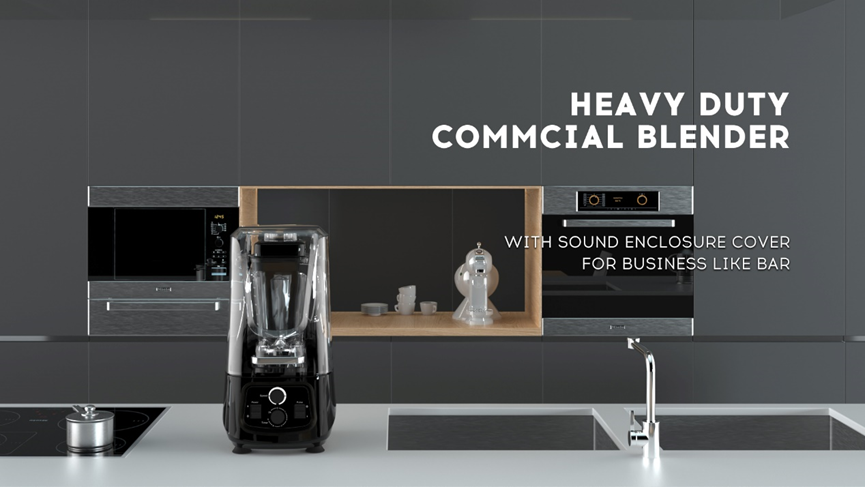
Some blenders also come with noise reduction covers that help minimize sound during operation. Investing in a quieter model can enhance your overall kitchen experience, especially if you blend during early mornings or late evenings.
8. Brand Reputation and Warranty: Investing in Quality
When investing in a heavy-duty blender, consider the **brand's reputation**. Established brands often have a history of reliability and customer satisfaction. Look for user reviews, expert opinions, and recommendations from culinary professionals.
Additionally, pay attention to the **warranty** offered. A warranty of at least 1-3 years is standard for heavy-duty blenders, while some brands may offer extended warranties, reflecting their confidence in product durability.
A solid warranty can provide peace of mind and protection for your investment.
9. Conclusion
Choosing a heavy-duty blender is an important decision that can significantly impact your cooking experience. By understanding the essential features such as power, capacity, blade design, material quality, ease of cleaning, control options, noise levels, and brand reputation, you can make an informed choice that meets your culinary needs. Investing in a high-quality blender will not only enhance your cooking capabilities but also save you time and effort in the kitchen.
10. FAQs
1. What is the best wattage for a heavy-duty blender?
A wattage of 1000 watts or more is ideal for heavy-duty blenders, allowing them to handle tougher ingredients seamlessly.
2. Can I make hot soups in a heavy-duty blender?
Yes, many heavy-duty blenders can blend hot ingredients, allowing you to make soups directly in the blender.
3. How do I clean my heavy-duty blender effectively?
For most blenders, you can add warm water and a drop of dish soap, blend for a few seconds, and then rinse. Ensure the container and blades are dishwasher-safe for added convenience.
4. Are there heavy-duty blenders that are quieter?
Yes, some models come with sound-dampening features and noise reduction covers for quieter operation.
5. What brands are known for high-quality heavy-duty blenders?
Brands like Vitamix, Blendtec, and Ninja are renowned for their quality and durability in heavy-duty blenders.
Investing in a heavy-duty blender with the right features can transform your kitchen experience. Make the choice that best aligns with your culinary aspirations today!
More information



What we are making?
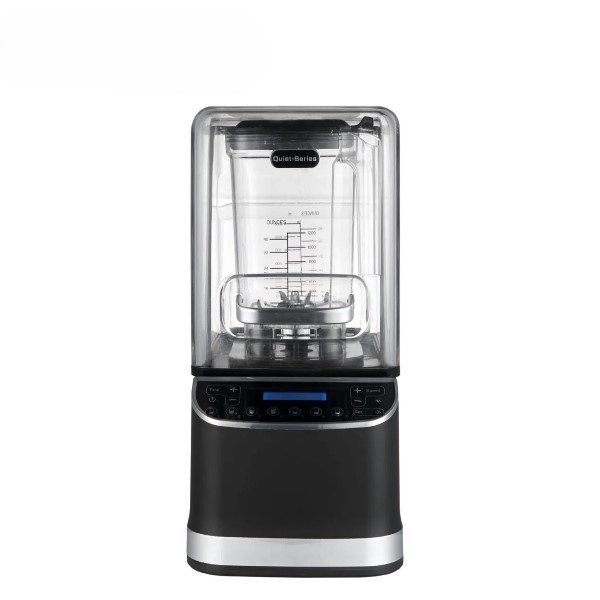
We take times to design, manufacture and launch our products into market carefully, ensure each model is fine crafted, withstand market testing. Our series of commercial blenders, although in compact design to save serving space of bar counter, are built in pure copper motor, power strong up to 3.5HP, combine with wide blades, they are capable of mixing very heavy ingredients including root vegetables and ices into smooth status, and achieve precise creations as you want.
Tel:
E-mail:
Add:
FL 8, BUILDING 20, PHASE 2nd, TONGDE INDUSTRIAL ZONE, RONGGUI, SHUNDE, FOSHAN,GD
Copyright © 2023 Foshan Shanice Electrical Appliances Co.,Ltd. All rights reserved. 粤ICP备********号
Powered by www.300.cn SEO
Business license