
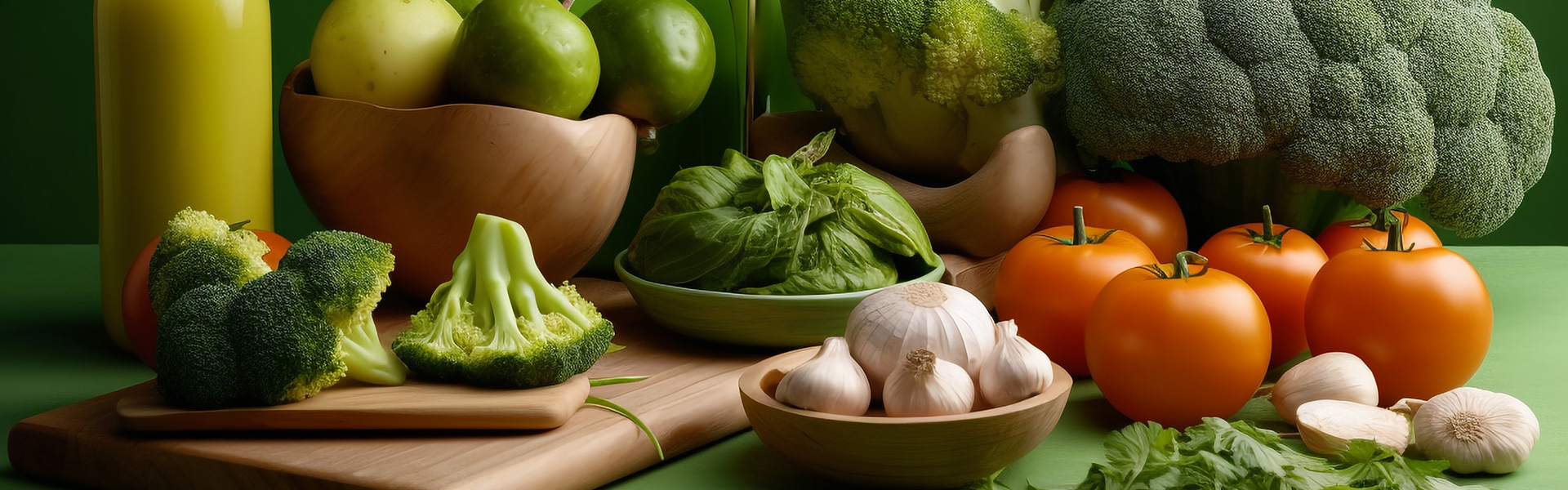
Creating Restaurant-Quality Dishes at Home with a Heavy Duty Kitchen Blender
release time:
2026-03-18
Creating Restaurant-Quality Dishes at Home with a Heavy Duty Kitchen Blender
Table of Contents
- 1. Introduction: The Power of a Heavy Duty Kitchen Blender
- 2. How to Choose the Right Heavy Duty Kitchen Blender
- 3. Key Features of Heavy Duty Kitchen Blenders
- 4. Basic Techniques for Using a Heavy Duty Kitchen Blender
- 5. Creating Gourmet Sauces and Dips
- 6. Crafting Delicious Smoothies and Soups
- 7. Innovative Baking and Dessert Ideas with a Blender
- 8. Cleaning and Maintaining Your Kitchen Blender
- 9. Conclusion: Elevate Your Home Cooking Experience
- 10. FAQs about Heavy Duty Kitchen Blenders
1. Introduction: The Power of a Heavy Duty Kitchen Blender
In the world of cooking, the right tools can make all the difference. **A heavy-duty kitchen blender** is not just an appliance; it’s a gateway to culinary creativity, allowing home chefs to whip up restaurant-quality dishes with ease. Whether you’re a novice or a seasoned cook, mastering the use of a powerful blender can enhance your cooking repertoire, simplify meal preparation, and impress your guests.
Imagine transforming simple ingredients into velvety soups, rich sauces, or refreshing smoothies—all with the push of a button! This comprehensive guide will delve into the myriad ways you can utilize a heavy-duty kitchen blender to elevate your home cooking.
2. How to Choose the Right Heavy Duty Kitchen Blender
Selecting the appropriate blender is crucial for achieving optimal results in your cooking. Here are some essential factors to consider when choosing a heavy-duty kitchen blender:
2.1. Motor Power
A powerful motor is key to effortlessly blending tough ingredients. Look for blenders with at least **1,000 watts** of power. This ensures smooth blending of fibrous vegetables, ice, and nuts, making it versatile for a range of recipes.
2.2. Blade Quality
The blades of your blender should be made of high-quality stainless steel, designed for durability and sharpness. Blades that are both sharp and robust will guarantee consistent blending and can handle harder ingredients.
2.3. Capacity
Consider the size of the blender jar. For families or entertaining, a **64-ounce jar** can be ideal. If you’re cooking for one or two people, a smaller size may suffice. Assess your cooking habits to ensure the right fit.
2.4. Additional Features
Look for features such as pre-programmed settings for soups, smoothies, and sauces. A variable speed dial and pulse function can also provide greater control over your blending.
3. Key Features of Heavy Duty Kitchen Blenders
Understanding the essential features of a heavy-duty kitchen blender will empower you to utilize it to its fullest potential:
3.1. Variable Speed Control
This feature allows you to blend at different speeds, which is essential for achieving the desired texture for various recipes. Start slow for coarse blends and ramp up to high for smooth purees.
3.2. High-Power Blending
Heavy-duty blenders can achieve speeds of over **30,000 RPM**, making it easier to create finely textured soups or sauces. This power can also assist in emulsifying dressings without any lumps.
3.3. Heat Generation
Some high-powered blenders can generate heat through friction. This means you can make hot soups directly in the blender without needing to heat the ingredients beforehand.
3.4. Self-Cleaning Functionality
A self-cleaning feature simplifies the cleanup process. Just add warm water and a drop of dish soap, and let the blender do the work.
4. Basic Techniques for Using a Heavy Duty Kitchen Blender
To get the best results, mastering a few foundational techniques is essential:
4.1. Layering Ingredients
When blending, layer your ingredients from soft to hard. Start with liquids at the bottom, followed by softer items like fruits and vegetables, and finish with ice or harder ingredients on top. This creates a smoother blend.
4.2. Pulsing for Control
Use the pulse feature for recipes that require a chunky texture, such as salsas or dips. Pulsing gives you greater control over the consistency of your mixtures.
4.3. Scrap the Sides
During the blending process, you may need to stop and scrape down the sides of the jar. This ensures that all ingredients are evenly blended.
5. Creating Gourmet Sauces and Dips
A heavy-duty kitchen blender is perfect for crafting delicious sauces and dips that can elevate any meal. Here are some recipes to get you started:
5.1. Classic Tomato Sauce
Start by blending **canned tomatoes**, garlic, basil, and olive oil. Blend until smooth, then simmer on the stove for a rich, homemade sauce.
5.2. Creamy Avocado Dip
Combine ripe avocados, lime juice, garlic, and cilantro in your blender. Blend until creamy and serve with tortilla chips.
5.3. Homemade Hummus
Blend **cooked chickpeas**, tahini, lemon juice, garlic, and olive oil until smooth. Adjust seasoning to taste and enjoy with pita bread or veggies.
6. Crafting Delicious Smoothies and Soups
Smoothies and soups are among the most popular uses for a heavy-duty kitchen blender. Here are some delightful recipes:
6.1. Green Smoothie
Blend together **spinach**, banana, Greek yogurt, and almond milk for a nutritious and refreshing green smoothie.
6.2. Creamy Butternut Squash Soup
Cook butternut squash, onion, and garlic until soft. Blend with vegetable broth and spices until smooth for a comforting soup.
6.3. Chilled Gazpacho
Combine **tomatoes**, cucumbers, bell peppers, olive oil, and vinegar in your blender. Blend until smooth and chill before serving.
7. Innovative Baking and Dessert Ideas with a Blender
Your heavy-duty kitchen blender can also assist in creating baked goods and desserts:
7.1. Blender Pancakes
Blend oats, bananas, eggs, and baking powder for a quick pancake batter. Cook on a griddle for fluffy pancakes with zero hassle.
7.2. Nut Butter
Simply blend roasted nuts until smooth to create your own nut butter. Add a pinch of salt or honey for flavor.
7.3. Chocolate Mousse
Blend together melted chocolate, eggs, and cream until fluffy for a decadent mousse. Chill and serve for a delightful dessert.
8. Cleaning and Maintaining Your Kitchen Blender
Proper care and maintenance will prolong the lifespan of your heavy-duty kitchen blender:
8.1. Daily Cleaning Tips
After each use, rinse the jar and blades with warm water. For thorough cleaning, use the self-cleaning function if available.
8.2. Deep Cleaning
Periodically, disassemble the blender and wash all removable parts with mild soap. Avoid abrasive materials that may scratch the surfaces.
9. Conclusion: Elevate Your Home Cooking Experience
A heavy-duty kitchen blender is an invaluable tool in any kitchen, empowering you to create a myriad of restaurant-quality dishes from the comfort of your home. By mastering its features and techniques, you can transform everyday ingredients into culinary masterpieces. Experiment with sauces, dips, smoothies, soups, and even desserts to discover the full range of possibilities. Don’t hesitate to unleash your creativity and elevate your cooking game with this powerful appliance.
10. FAQs about Heavy Duty Kitchen Blenders
1. What is the difference between a regular blender and a heavy-duty blender?
A heavy-duty blender typically has a more powerful motor, better quality blades, and is designed to handle tougher ingredients, making it more versatile for various recipes.
2. Can I blend hot ingredients in a heavy-duty blender?
Yes, many heavy-duty blenders can handle hot ingredients due to their robust construction. However, always refer to the manufacturer’s guidelines to ensure safety.
3. How do I prevent my blender from overheating?
Avoid overloading the blender, and give it breaks between blending sessions, especially when working with tough ingredients.
4. Can I make nut milk using a heavy-duty blender?
Absolutely! A heavy-duty blender is perfect for making nut milk. Soak nuts, blend with water, and strain for homemade nut milk.
5. Is it worth investing in a heavy-duty kitchen blender?
If you enjoy cooking and want to elevate your meals, investing in a heavy-duty kitchen blender is worthwhile. Its versatility and efficiency can greatly enhance your culinary experience.
More information



What we are making?
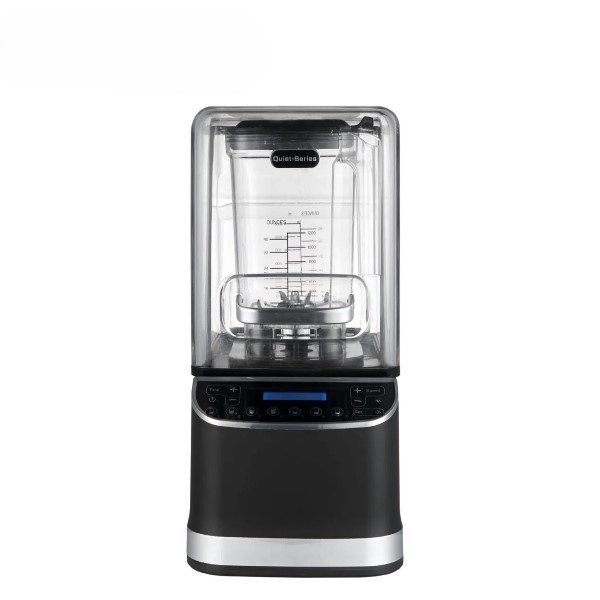
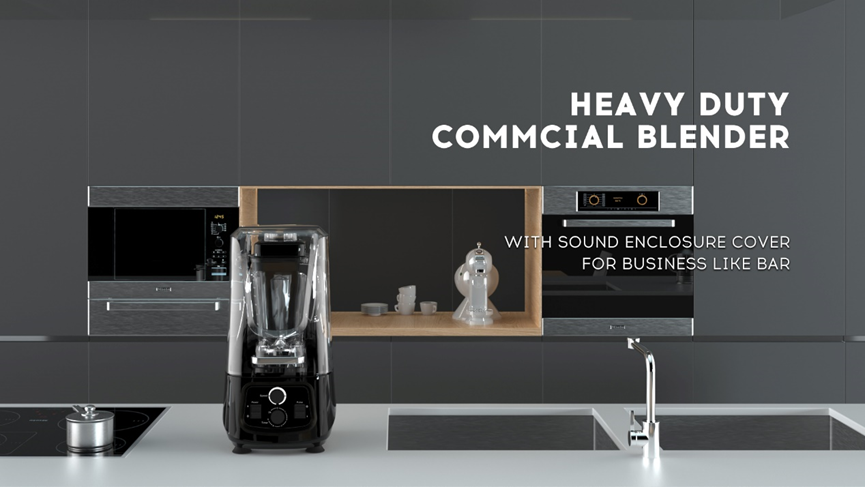
We take times to design, manufacture and launch our products into market carefully, ensure each model is fine crafted, withstand market testing. Our series of commercial blenders, although in compact design to save serving space of bar counter, are built in pure copper motor, power strong up to 3.5HP, combine with wide blades, they are capable of mixing very heavy ingredients including root vegetables and ices into smooth status, and achieve precise creations as you want.
Tel:
E-mail:
Add:
FL 8, BUILDING 20, PHASE 2nd, TONGDE INDUSTRIAL ZONE, RONGGUI, SHUNDE, FOSHAN,GD
Copyright © 2023 Foshan Shanice Electrical Appliances Co.,Ltd. All rights reserved. 粤ICP备********号
Powered by www.300.cn SEO
Business license