
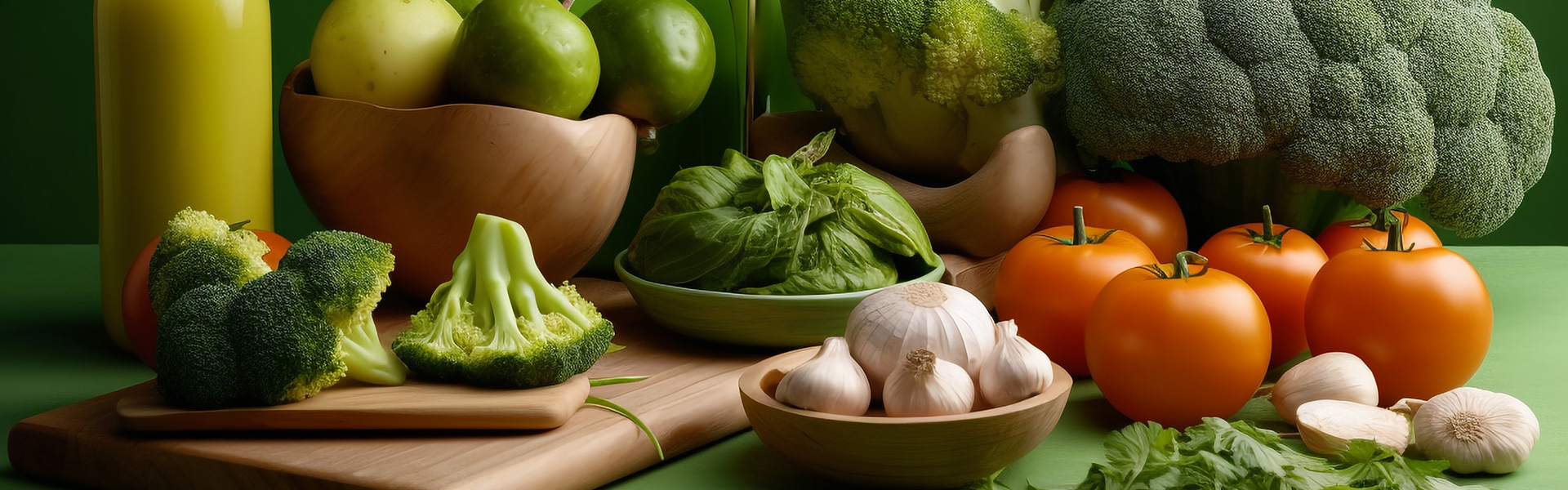
Food Blenders Unveiling the Secrets of Efficient Mixing
release time:
2024-01-15
Food blenders play a crucial role in the manufacturing and processing machinery industry, specifically in the world of blending machines. In this comprehensive guide, we will delve into the details of food blenders, their functionality, and the advantages they offer. Whether you're a professional in the industry or simply interested in learning more, this article will provide you with valuable insights.
1. Understanding Food Blenders:
Food blenders are mechanical devices used for blending, mixing, and emulsifying food ingredients. They are widely employed in various sectors, including commercial kitchens, food processing plants, and laboratories. These versatile machines are designed to streamline food preparation processes and ensure consistent results.
2. Key Features:
Food blenders come with an array of features that enhance their performance and usability. Some common features include:
a. Variable Speed Control: This feature allows users to adjust the blending speed according to their requirements, ensuring precise and efficient blending.
b. Pulse Function: The pulse function provides short bursts of power, enabling users to achieve specific textures or break down tough ingredients.
c. Stainless Steel Blades: Equipped with durable and sharp blades, food blenders are capable of effectively cutting through various ingredients, including fruits, vegetables, and ice.
d. Safety Features: Many food blenders are equipped with safety mechanisms such as locking systems and overheating protection, ensuring user safety during operation.
3. Benefits of Food Blenders:
Food blenders offer numerous benefits that make them indispensable in the food industry:
a. Time Efficiency: With their powerful motors and efficient blending capabilities, food blenders significantly reduce preparation time in commercial kitchens or food processing plants.
b. Versatility: Food blenders can be used for a wide range of applications, including making smoothies, sauces, soups, purees, and even grinding spices or coffee beans.
c. Consistency and Uniformity: Blenders ensure consistent blending results, resulting in uniform textures and flavors throughout the mixture.
d. Nutritional Value: By breaking down ingredients into smaller particles, food blenders can enhance the bioavailability of nutrients, making them easier for the body to absorb.
e. Ease of Cleaning: Most food blenders come with detachable parts that are dishwasher safe, making the cleaning process hassle-free and time-saving.
Food blenders are essential tools in the manufacturing and processing machinery industry, particularly in the realm of blending machines. Understanding their functionality, features, and benefits is crucial for professionals and enthusiasts alike. By harnessing the power of food blenders, you can elevate your culinary creations and streamline your food preparation processes.
More information




What we are making?
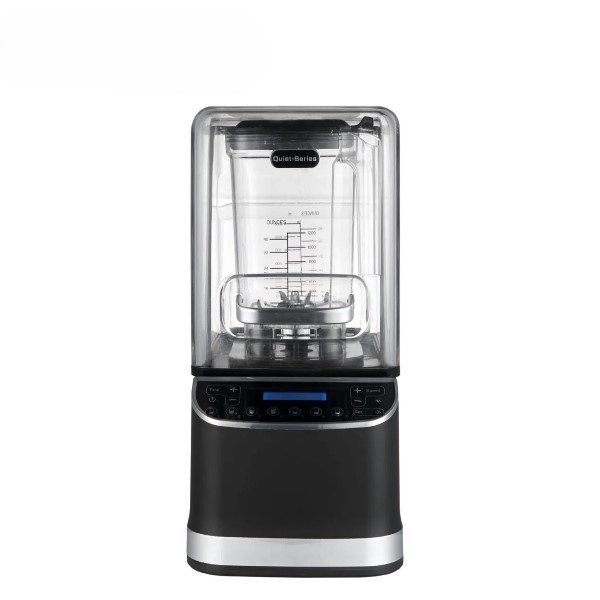
We take times to design, manufacture and launch our products into market carefully, ensure each model is fine crafted, withstand market testing. Our series of commercial blenders, although in compact design to save serving space of bar counter, are built in pure copper motor, power strong up to 3.5HP, combine with wide blades, they are capable of mixing very heavy ingredients including root vegetables and ices into smooth status, and achieve precise creations as you want.
Tel:
E-mail:
Add:
FL 8, BUILDING 20, PHASE 2nd, TONGDE INDUSTRIAL ZONE, RONGGUI, SHUNDE, FOSHAN,GD