
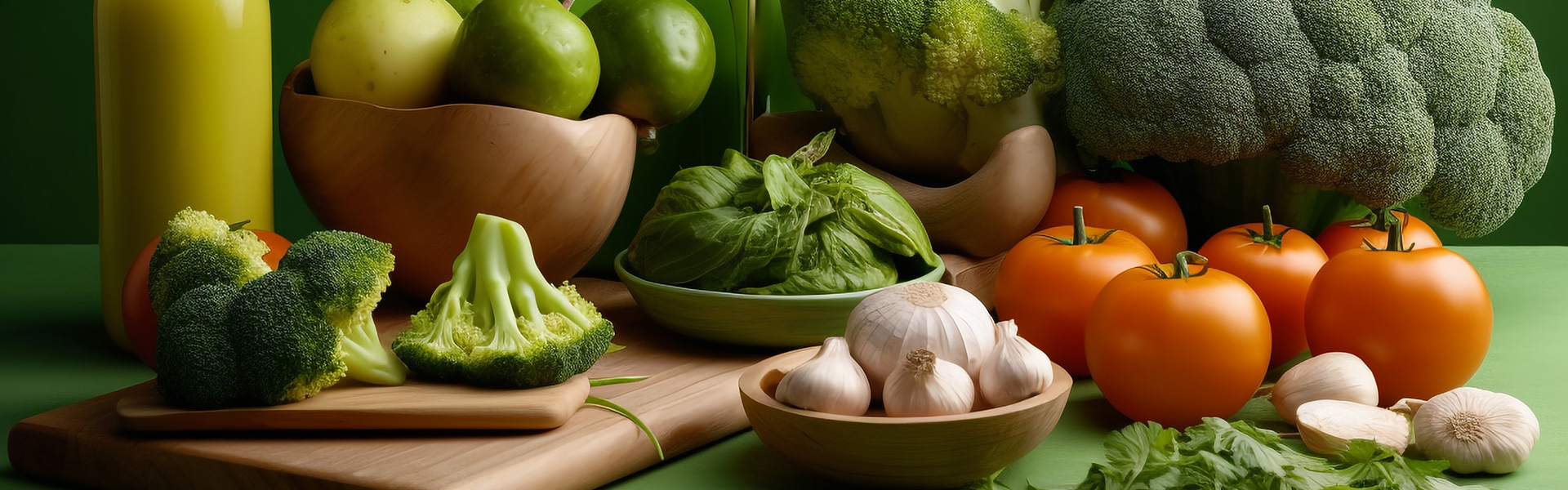
How to Balance Smoothie Flavors with a Food Blender
release time:
2024-01-15
Food blenders have revolutionized the way we prepare and process food in the modern kitchen. As a crucial component of the manufacturing and processing machinery industry, food blenders play a vital role in various applications, especially in the field of mixing equipment. In this guide, we will delve into the world of food blenders, providing you with insights into their functionality, benefits, and applications.
A food blender is a versatile kitchen appliance designed to blend, mix, and puree ingredients. It typically consists of a motorized base, a container or jar, and rotating blades. These blades rotate at high speeds, creating a vortex that efficiently blends and processes food ingredients.
Food blenders work by utilizing the power of their motor to rotate the blades at high speeds. When ingredients are placed in the container, the blades create a whirlpool effect, pulling the ingredients towards the center. This continuous blending action ensures that the ingredients are thoroughly mixed and processed.
Food blenders offer numerous benefits, making them valuable kitchen assistants. Firstly, they save time and effort by quickly blending ingredients, reducing the need for manual mixing. Additionally, food blenders achieve a smooth and consistent texture, ideal for creating purees, smoothies, sauces, and soups. They also help in breaking down tough ingredients, such as fibrous vegetables and nuts, making them easier to consume and digest.
Food blenders come in various types, each catering to specific needs. The most common types include countertop blenders, immersion blenders, and personal blenders. Countertop blenders are the traditional, freestanding models suitable for blending large quantities. Immersion blenders, also known as hand blenders, are handheld devices ideal for blending ingredients directly in pots or bowls. Personal blenders are compact and designed for single servings, allowing users to blend ingredients directly in travel-friendly cups.
Food blenders find applications in both residential and commercial settings. In households, they are primarily used for making smoothies, milkshakes, sauces, and purees. In the food industry, food blenders are essential for the large-scale production of processed foods, such as soups, dressings, and beverages. They are also extensively used in bakeries, confectioneries, and dairy industries for mixing and blending ingredients.
Food blenders are indispensable kitchen appliances and essential components of the manufacturing and processing machinery industry. Whether you are a culinary enthusiast or a professional in the food industry, understanding the functionality, benefits, and applications of food blenders is crucial. Incorporate this knowledge into your culinary endeavors or professional practices to elevate your blending experiences and achieve optimal results.
More information



What we are making?
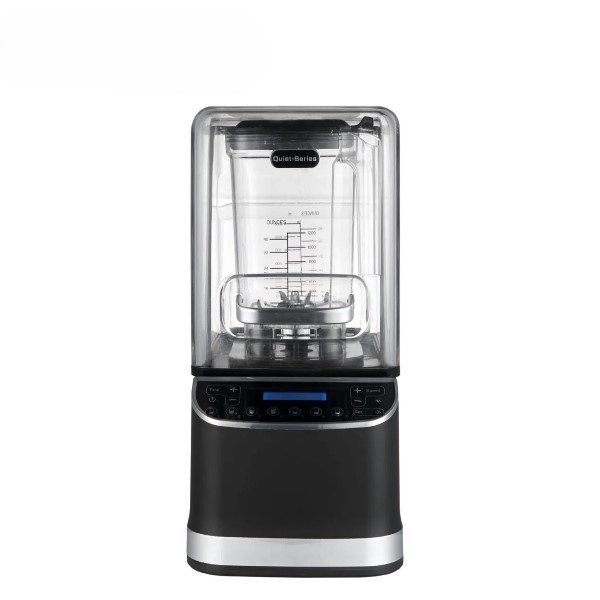
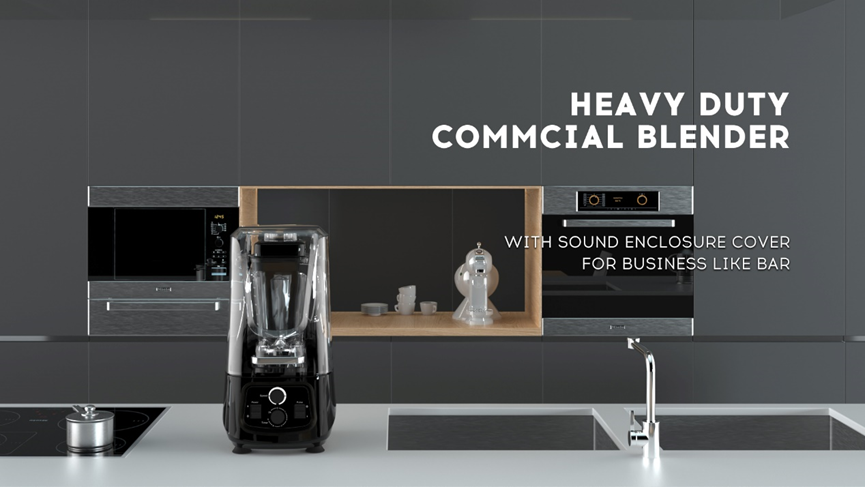
We take times to design, manufacture and launch our products into market carefully, ensure each model is fine crafted, withstand market testing. Our series of commercial blenders, although in compact design to save serving space of bar counter, are built in pure copper motor, power strong up to 3.5HP, combine with wide blades, they are capable of mixing very heavy ingredients including root vegetables and ices into smooth status, and achieve precise creations as you want.
Tel:
E-mail:
Add:
FL 8, BUILDING 20, PHASE 2nd, TONGDE INDUSTRIAL ZONE, RONGGUI, SHUNDE, FOSHAN,GD