
Everything You Need to Know about Quality Food Blender Spots
release time:
2024-01-15
Quality Food blender spots play a crucial role in the manufacturing and processing machinery industry, specifically in the domain of mixing equipment. This guide aims to provide you with a comprehensive understanding of food blenders, their functionalities, and their significance in various applications.
1. What is a Food Blender?
A food blender is a type of mixing machine commonly used in the food processing industry. It is designed to blend or mix different food ingredients, achieving a uniform consistency and texture. Food blenders utilize various techniques, such as cutting, chopping, or pureeing, to create a desired blend.
2. Types of Food Blenders:
Quality Food blender spots come in different types, each catering to specific blending requirements. Some common types of food blenders include immersion blenders, countertop blenders, and high-performance blenders. These blenders differ in terms of design, power, and usage, but they all serve the purpose of blending food ingredients effectively.
3. Applications of Food Blenders:
Quality Food blender spots find applications in a wide range of industries, such as:
- Food and beverage: Blending fruits, vegetables, sauces, and soups.
- Pharmaceutical: Mixing active ingredients to create medication formulations.
- Chemical: Blending chemicals for various industrial processes.
- Cosmetics: Mixing ingredients to produce skincare or beauty products.
4. Key Features and Components:
Food blender spots consist of several important features and components, including:
- Motor: Provides the power required to operate the blender.
- Blades: Responsible for cutting, chopping, or pureeing food ingredients.
- Speed settings: Allow control over blending consistency.
- Container or jar: Holds the ingredients during the blending process.
- Lid: Ensures safety and prevents spills during operation.
5. Factors to Consider When Choosing a Quality Food Blender:
When selecting a food blender, consider the following factors:
- Capacity: Choose a blender with the appropriate container size for your intended use.
- Power: Higher wattage blenders offer more efficient blending.
- Speed settings: Opt for blenders with multiple speed options for versatile blending.
- Durability: Look for blenders made of high-quality materials for long-lasting performance.
- Cleaning and maintenance: Consider blenders that are easy to clean and maintain.
Quality Food blender spots are indispensable machines in the manufacturing and processing industry, specifically in the realm of mixing equipment. By understanding the various types, applications, and key features of food blenders, you can make informed decisions when choosing the right blender for your needs. Embrace the versatility and efficiency of food blenders to enhance your blending processes and achieve superior results.
More information



What we are making?
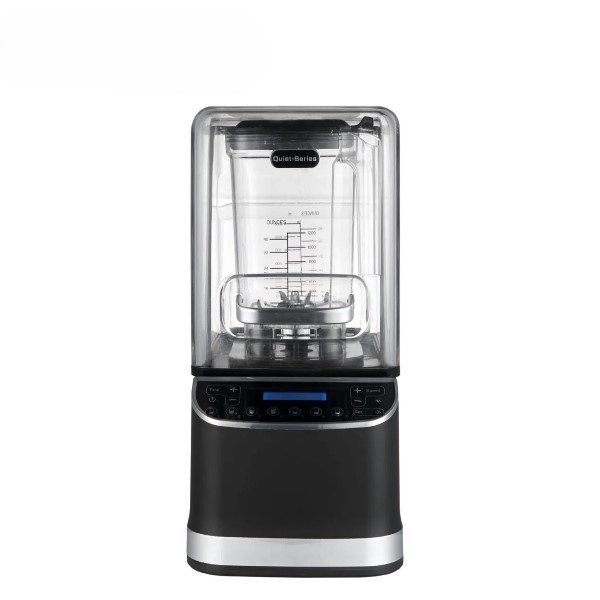
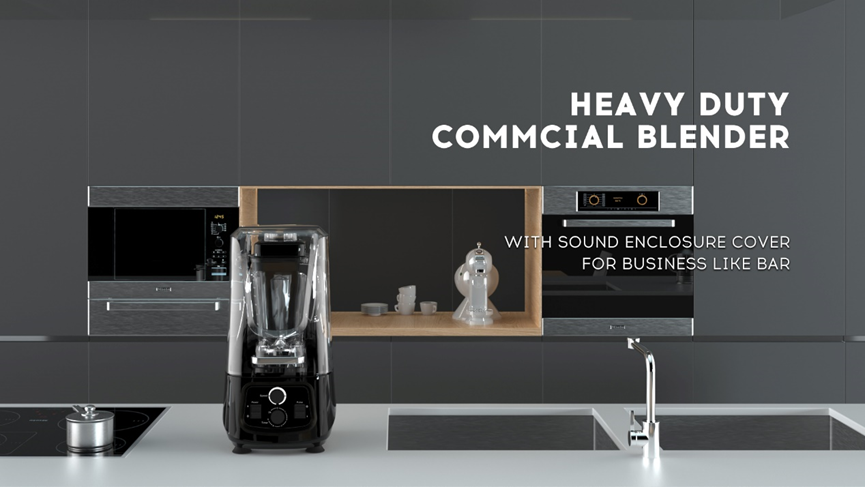
We take times to design, manufacture and launch our products into market carefully, ensure each model is fine crafted, withstand market testing. Our series of commercial blenders, although in compact design to save serving space of bar counter, are built in pure copper motor, power strong up to 3.5HP, combine with wide blades, they are capable of mixing very heavy ingredients including root vegetables and ices into smooth status, and achieve precise creations as you want.
Tel:
E-mail:
Add:
FL 8, BUILDING 20, PHASE 2nd, TONGDE INDUSTRIAL ZONE, RONGGUI, SHUNDE, FOSHAN,GD