
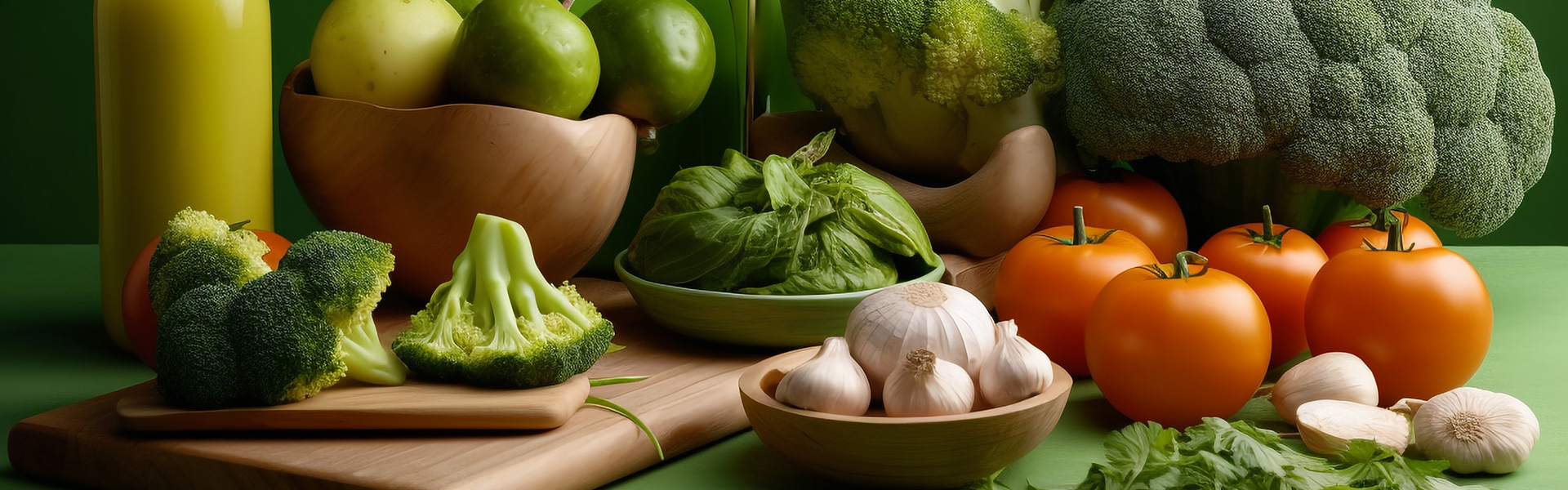
The Ultimate Guide to Buying a Smoothie Blender
release time:
2024-01-08
1. Introduction: Why a Smoothie Blender is a Must-Have Kitchen Appliance
In today's fast-paced world, maintaining a healthy lifestyle is essential, and smoothies offer a convenient way to nourish your body with essential nutrients. A smoothie blender is a must-have kitchen appliance that allows you to create delicious and wholesome blended beverages effortlessly.
2. Types of Smoothie Blenders and Their Benefits
When it comes to smoothie blenders, there are various types to choose from, each offering its own set of benefits. Countertop blenders, personal blenders, and immersion blenders are the most popular options. Countertop blenders are versatile and suitable for large batches, while personal blenders are compact and ideal for single servings. Immersion blenders, on the other hand, provide convenience and flexibility.
3. Key Features to Consider When Buying a Smoothie Blender
To ensure you make the right choice, it's important to consider several key features when purchasing a smoothie blender. These include power and performance, jar material and capacity, blade design and durability, control options, noise level and stability, cleaning and maintenance, price range, and warranty. Let's explore each of these factors in detail.
4. Understanding Power and Performance
The power of a smoothie blender is measured in watts and determines how efficiently it can blend various ingredients. Higher wattage blenders are capable of crushing ice, frozen fruits, and vegetables, resulting in smoother and creamier smoothies. Consider your blending needs and opt for a blender with sufficient power to handle your desired ingredients.
5. Jar Material and Capacity: Finding the Right Fit
Smoothie blender jars are typically made of glass or plastic. Glass jars are durable, easy to clean, and do not retain odors, but they may be heavier and prone to breaking. Plastic jars, on the other hand, are lightweight, shatterproof, and often more affordable. Additionally, consider the jar's capacity, ensuring it can accommodate the desired serving size.
6. Blade Design and Durability: Ensuring Smooth Blending
Blade design plays a crucial role in achieving smooth and consistent blending results. Look for a blender with sharp and sturdy blades that can effortlessly blend tough ingredients. Stainless steel blades are known for their durability and effectiveness. Additionally, consider the number of blades, as more blades can enhance blending efficiency.
7. Control Options: Simplifying Your Blending Experience
Smoothie blenders come with various control options, including manual dials, digital touchpads, and pre-programmed settings. Manual controls offer flexibility in adjusting blending speeds, while pre-programmed settings provide convenience for specific tasks like crushing ice or making smoothies. Choose a blender with control options that suit your preferences and ease of use.
8. Noise Level and Stability: Factors for a Pleasant Blending Process
Blenders can be noisy appliances, especially when blending tough ingredients. Consider blenders with noise reduction features or models that offer quieter operation for a more pleasant blending experience. Additionally, stability is crucial to prevent any accidental spills or tipping over. Look for blenders with a sturdy base and nonslip feet for added stability.
9. Cleaning and Maintenance: Keeping Your Blender in Top Shape
Easy cleaning and maintenance are vital for hassle-free smoothie preparation. Dishwasher-safe parts and removable blades simplify the cleaning process. Some blenders also feature self-cleaning options, where you can blend water and dish soap for effortless cleaning. Consider the cleaning requirements of a blender to ensure it fits your lifestyle.
10. Price Range and Warranty: Getting the Best Value
Smoothie blenders are available in a wide price range, and it's important to find one that offers the best value for your investment. Consider your budget and compare features, performance, and durability across different models. Additionally, check the warranty offered by the manufacturer to ensure you're covered in case of any issues.
In conclusion, buying a smoothie blender requires careful consideration of various factors such as power, jar material, blade design, control options, noise level, cleaning requirements, and price range. By understanding your blending needs and preferences, you can confidently choose the perfect smoothie blender that will enhance your culinary experience and help you create delicious and nutritious smoothies effortlessly. Happy blending!
More information



What we are making?
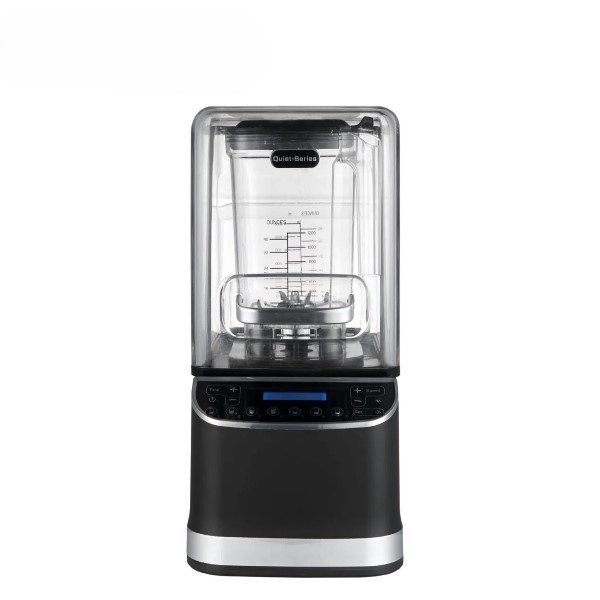
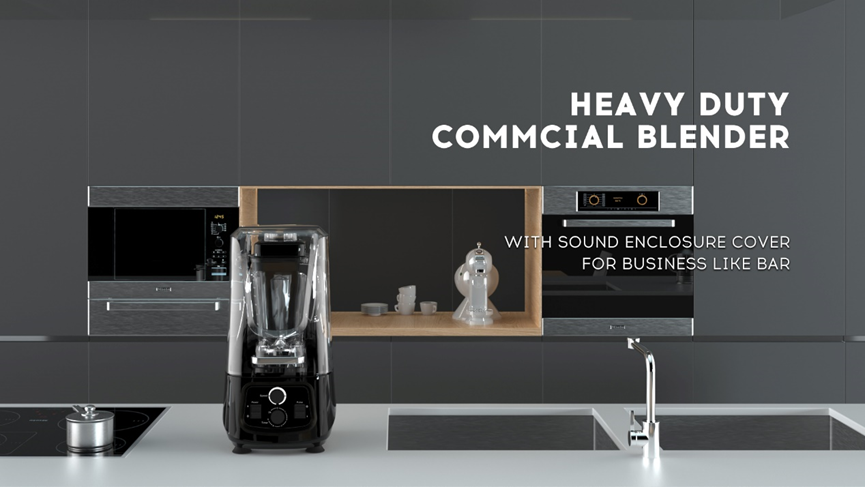
We take times to design, manufacture and launch our products into market carefully, ensure each model is fine crafted, withstand market testing. Our series of commercial blenders, although in compact design to save serving space of bar counter, are built in pure copper motor, power strong up to 3.5HP, combine with wide blades, they are capable of mixing very heavy ingredients including root vegetables and ices into smooth status, and achieve precise creations as you want.
Tel:
E-mail:
Add:
FL 8, BUILDING 20, PHASE 2nd, TONGDE INDUSTRIAL ZONE, RONGGUI, SHUNDE, FOSHAN,GD